12-Day Croatia and Montenegro Itinerary: Split, Hvar, Dubrovnik, Kotor & Durmitor
Explore Croatia and Montenegro in 12 days, from Split and Dubrovnik to Kotor, Budva and Durmitor National Park.
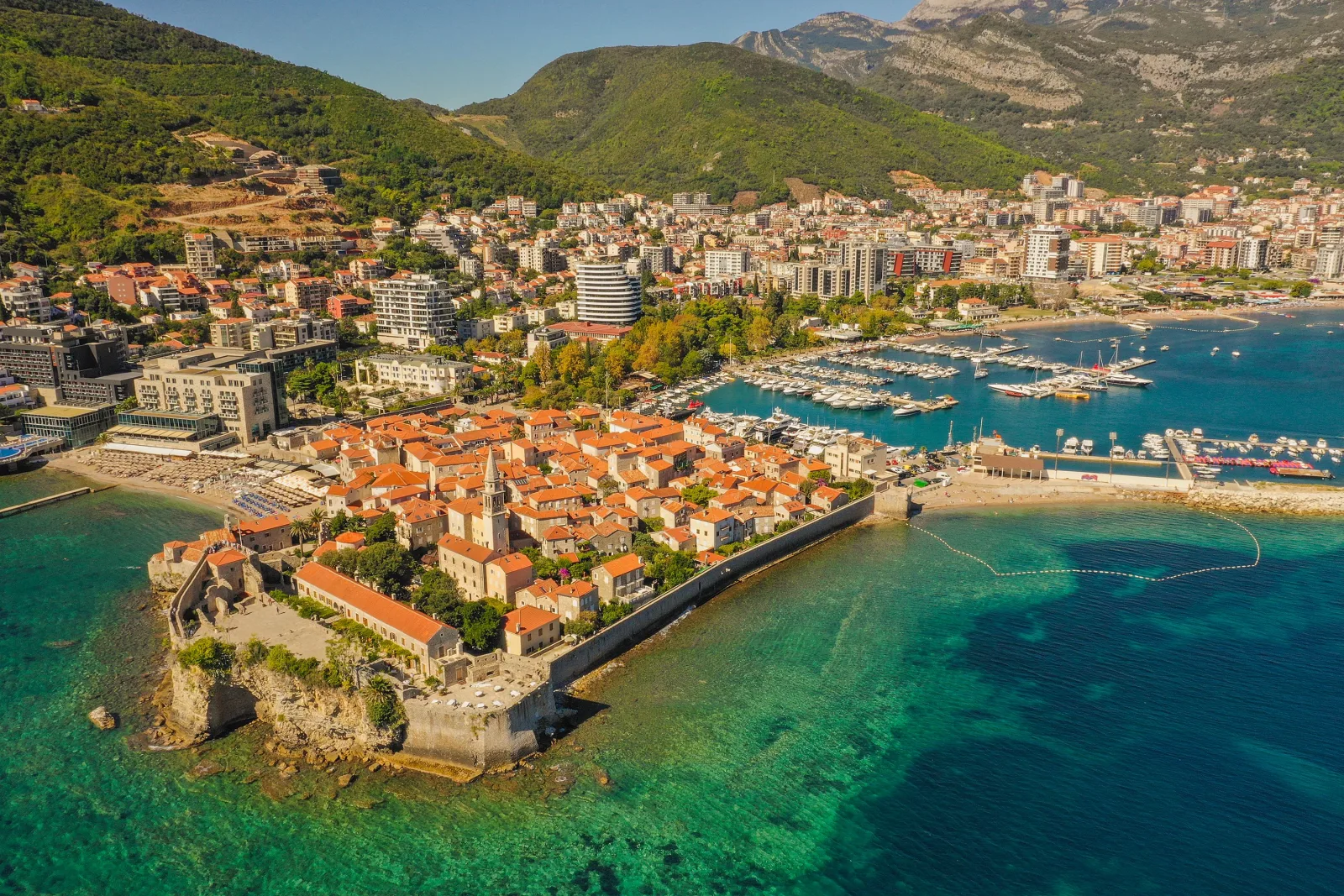
Croatia and Montenegro offer two distinct yet complementary sides of the Adriatic in one memorable journey. From Split's Roman heritage and the island town of Hvar to Dubrovnik's medieval streets, the historic towns of the Bay of Kotor and the dramatic mountains of Durmitor National Park, this 12-day Croatia and Montenegro itinerary combines historic landmarks, island scenery and outdoor experiences.
Designed for travelers who want to explore both countries at a comfortable pace, this route begins in Split, Croatia, and travels south along the Dalmatian coast by catamaran, with a stop on the island of Hvar, before reaching Dubrovnik and continuing into Montenegro. Along the way, you'll discover the fortified town of Kotor, visit the picturesque waterfront village of Perast, explore the Montenegrin Riviera and experience the country's mountainous northern landscapes.
The itinerary is particularly well suited to travelers who want to experience more than the Adriatic coastline. By combining cultural sightseeing, island time, scenic drives and time in nature, it offers a varied introduction to Croatia and Montenegro, with five days in Croatia and six in Montenegro. Because it includes seasonal passenger ferries, it works best from May to October.
Croatia and Montenegro Itinerary Overview
- Duration: 12 days / 11 nights
- Countries: Croatia and Montenegro
- Starting point: Split, Croatia
- Ending point: Podgorica, Montenegro
- Hotel changes: 6
- Border crossings: 1 (Croatia to Montenegro, on Day 6)
- Currency: Euro (€) in both countries
- Best season: May to October, when the island catamarans run
- Travel style: Cultural exploration, island and coastal scenery, and outdoor experiences
- Recommended transportation: Private transfers and passenger catamarans
- Best for: First-time visitors, couples and travelers interested in combining historic towns, Adriatic islands and mountain landscapes
Route at a Glance
Day | Route | Highlights | Travel time | Overnight |
|---|---|---|---|---|
1 | Arrive in Split | Riva waterfront, Diocletian's Palace at night | Airport transfer | Split |
2 | Split and Trogir | Peristyle, Cathedral of Saint Domnius, Trogir Old Town | About 30 minutes each way to Trogir | Split |
3 | Ferry from Split to Hvar | Hvar Town, Fortica fortress, Pakleni Islands | Catamaran about 1 hour | Hvar |
4 | Ferry from Hvar to Dubrovnik | Island ferry, evening in Dubrovnik's Old Town | Catamaran about 3.5–4 hours | Dubrovnik |
5 | Dubrovnik | City Walls, Rector's Palace, Mount Srđ or Lokrum Island | None | Dubrovnik |
6 | Dubrovnik to Kotor | Border crossing, Herceg Novi, Perast, Kotor Old Town | About 2 hours, plus border time and local drives | Kotor |
7 | Kotor to Budva via Lovćen and Cetinje | Njeguši, Njegoš Mausoleum, Cetinje | About 2–2.5 hours in total | Budva |
8 | Budva | Old Town, Mogren Beach, Sveti Stefan viewpoint | Short local drives | Budva |
9 | Budva to Žabljak | Journey into Durmitor National Park | 3.5–4.5 hours | Žabljak |
10 | Žabljak | Black Lake, mountain walks, Tara River Canyon | Short local drives | Žabljak |
11 | Žabljak to Podgorica | Đurđevića Tara Bridge, Podgorica | About 3–3.5 hours, plus stops | Podgorica |
12 | Departure | Transfer to Podgorica Airport | About 15–20 minutes | None |
Travel times are approximate and depend on traffic, ferry schedules, road conditions and the route you choose.
Day 1: Arrive in Split, Croatia
Arrive in Split and transfer to your hotel. After settling in, spend the afternoon discovering the city at a relaxed pace. Walk along the Riva, Split's palm-lined waterfront promenade, and step into the historic center, where Roman walls, narrow stone streets and lively squares sit side by side.
Depending on your arrival time, enjoy a relaxed dinner in the Old Town. Diocletian's Palace is particularly atmospheric in the evening, when its stone courtyards and arches are lit up.
Highlights:
- Riva waterfront promenade
- Diocletian's Palace at night
Overnight: Split
Day 2: Explore Split and Historic Trogir
Spend the morning discovering Split's remarkable Roman heritage.
The city's most famous landmark is Diocletian's Palace, a UNESCO World Heritage Site built in the early fourth century as the retirement residence of Roman Emperor Diocletian. Unlike many ancient monuments, the palace is not an isolated archaeological site. Its historic structures form the heart of modern Split, with homes, shops, cafés and restaurants occupying buildings within the former palace complex.
Explore the Peristyle, the palace's central courtyard, and visit the Cathedral of Saint Domnius, originally constructed as Diocletian's mausoleum.
After lunch, take a short excursion to Trogir, a historic coastal town approximately 30 minutes from Split by road. Its compact Old Town is also a UNESCO World Heritage Site, with Romanesque churches, Renaissance architecture and narrow stone streets.
Return to Split in the evening for dinner along the waterfront.
Highlights:
- Diocletian's Palace and the Peristyle
- Cathedral of Saint Domnius
- Trogir Old Town
Overnight: Split
Day 3: Ferry from Split to Hvar
After a relaxed morning in Split, board a passenger catamaran to the island of Hvar. The crossing to Hvar Town takes about one hour. Catamarans carry passengers and luggage only, not cars, and sailings run mainly in the tourist season, so book ahead in summer.
Hvar Town is one of the Adriatic's most elegant island destinations, with a Venetian-style main square, a harbor lined with historic buildings and a hilltop fortress. Walk through St. Stephen's Square and see the cathedral and the historic Arsenal, then climb to the Fortica fortress for views over the town, the harbor and the nearby Pakleni Islands.
If you arrive early enough, take a short boat trip to the Pakleni Islands for a swim, or simply enjoy the waterfront at sunset.
Highlights:
- Catamaran from Split to Hvar Town
- St. Stephen's Square and the cathedral
- Fortica fortress and island views
- Optional Pakleni Islands boat trip
Overnight: Hvar
Day 4: Ferry from Hvar to Dubrovnik
Ferry departure times vary by operator and season, and in peak summer there are usually a few sailings a day, so confirm the schedule before you finalize the plan.
Arrive in Dubrovnik in the afternoon or early evening and transfer to your hotel. Take an evening walk through the Old Town, along Stradun, the main pedestrian street, as the limestone streets begin to glow after sunset.
This ferry runs mainly from April to October. Outside the season, we arrange a private road transfer instead.
Highlights:
- Catamaran along the Dalmatian islands, with a stop in Korčula
- Evening on Stradun and in the Old Town
Overnight: Dubrovnik
Day 5: Explore Dubrovnik's Old Town
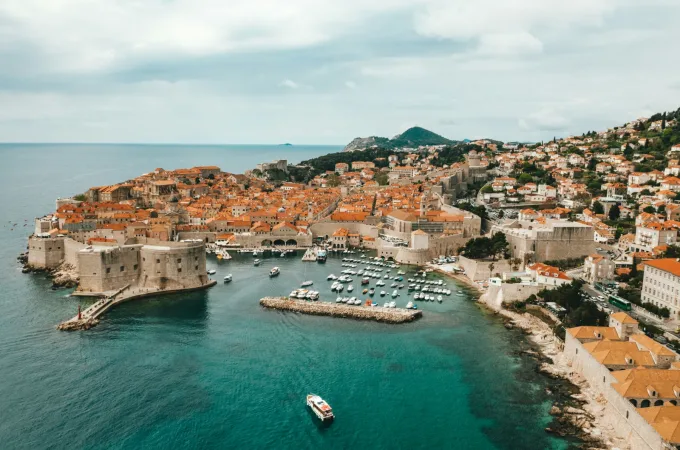
Spend the day exploring Dubrovnik's historic center, a UNESCO World Heritage Site surrounded by impressive medieval walls.
Walk along the city walls for panoramic views over the terracotta rooftops and the Adriatic Sea. Visit the Rector's Palace, the Franciscan Monastery and the Cathedral of the Assumption of the Virgin Mary. Take time to explore the quieter streets beyond Stradun, where small galleries, cafés and traditional restaurants offer a different perspective on the city.
Practical tip: The walls are busiest in the middle of the day, especially when cruise ships are in port. Go when they open or in the late afternoon.
In the afternoon, take the cable car up Mount Srđ for sweeping views of Dubrovnik and the surrounding coastline. Alternatively, take a short boat ride to Lokrum Island, a nature reserve just off the coast with botanical gardens, walking paths and rocky swimming spots. The boats run in the warmer months.
Highlights:
- Dubrovnik City Walls
- Rector's Palace and Franciscan Monastery
- Mount Srđ cable car or Lokrum Island
Overnight: Dubrovnik
Day 6: Dubrovnik to Herceg Novi and Kotor, Montenegro
After breakfast, depart Dubrovnik and cross the border into Montenegro. The drive to Kotor takes approximately two hours in favorable traffic conditions, excluding border formalities. Montenegro is not part of the EU or the Schengen Area, so you will go through passport control when leaving Croatia and again when entering Montenegro. During peak summer periods, allow additional time for possible queues.
Consider stopping in Herceg Novi, a coastal town at the entrance to the Bay of Kotor. Explore its historic center, stone stairways and waterfront before continuing along the bay. If the border takes longer than expected, skip this stop to keep time for the afternoon.
In the afternoon, visit Perast, a small Baroque town known for its elegant stone buildings and waterfront setting, about 20 minutes from Kotor. From here, take a short boat trip to Our Lady of the Rocks, an artificial island with a historic church and museum.
Return to Kotor, check in to your hotel and spend the evening exploring the Old Town, where medieval squares, churches and atmospheric lanes create a memorable introduction to Montenegro.
Highlights:
- Croatia–Montenegro border crossing
- Herceg Novi
- Perast and Our Lady of the Rocks
- Kotor Old Town in the evening
Overnight: Kotor
Day 7: Kotor to Lovćen National Park, Cetinje and Budva
Leave the coast behind and travel into Montenegro's mountainous interior. The scenic road from Kotor towards Lovćen climbs through a long series of hairpin turns, passes through the historic village of Njeguši and offers spectacular views over the Bay of Kotor. The road is narrow, so it suits confident drivers, and a private driver is a comfortable alternative.
If you want to climb to the Fortress of San Giovanni above Kotor, do it at sunrise before you set off. The climb involves roughly 1,350 steep steps and takes about one and a half to two hours round trip, so skip it if you prefer an easier start to a full day.
Explore Lovćen National Park and, depending on your interests and available time, visit the Njegoš Mausoleum on Mount Lovćen. The mausoleum sits high above the surrounding landscape and offers impressive views across the mountains. It is reached by a climb of 461 steps, so allow time and energy for it. Check the current opening days and hours before you go.
Continue to Cetinje, Montenegro's former royal capital. Visit its historic center, former royal residences and museums before traveling onward to Budva.
Arrive in Budva in the late afternoon and enjoy the evening by the sea. This is a full day, with about two to two and a half hours of driving in total, so if you prefer a lighter pace, skip the mausoleum climb and spend more time in Cetinje.
Highlights:
- Scenic mountain road above the Bay of Kotor
- Njeguši village
- Njegoš Mausoleum on Mount Lovćen
- Cetinje
Overnight: Budva
Day 8: Discover Budva and the Montenegrin Riviera
Spend the day discovering Budva and its surrounding coastline.
Begin with a walk through Budva's Old Town, a compact historic center with stone streets, small squares, churches and views over the Adriatic. Continue towards Mogren Beach, known for its clear water and scenic setting beneath the coastal cliffs.
In the afternoon, explore the Montenegrin Riviera. Stop at the viewpoint overlooking Sveti Stefan, the iconic island village connected to the mainland by a narrow causeway. Access to the resort island itself is restricted, so the panoramic viewpoint is the best way to appreciate its distinctive setting.
Return to Budva for your final evening on the coast.
Highlights:
- Budva Old Town
- Mogren Beach
- Sveti Stefan viewpoint
Overnight: Budva
Day 9: Budva to Žabljak, Durmitor National Park
After breakfast, travel north towards Žabljak, a mountain town and one of the main gateways to Durmitor National Park.
The journey takes approximately three and a half to four and a half hours, depending on the chosen route and road conditions. As the scenery changes from the Adriatic coastline to mountain valleys and forests, you'll experience a very different side of Montenegro.
Arrive in Žabljak and spend the remainder of the day relaxing or taking a short walk around the surrounding countryside.
Highlights:
- Scenic drive from the coast to the mountains
- Evening in Žabljak
Overnight: Žabljak
Day 10: Explore Durmitor National Park
Spend a full day discovering Durmitor National Park, a landscape of dramatic mountain peaks, glacial lakes, forests and deep canyons.
Start with Black Lake (Crno Jezero), one of the park's most recognizable natural landmarks. Follow the walking paths around the lake and enjoy the views of the surrounding mountains.
Depending on the season and your activity preferences, consider a longer mountain walk, a scenic drive through the park or an outdoor adventure such as rafting in the Tara River Canyon. Rafting is seasonal, so check availability for your dates.
Durmitor offers a striking contrast to the historic towns and coastal landscapes visited earlier in the journey.
Highlights:
- Black Lake (Crno Jezero)
- Mountain walks and scenic drives
- Optional rafting in the Tara River Canyon (seasonal)
Overnight: Žabljak
Day 11: Žabljak to Podgorica via the Tara River Canyon
Depart Žabljak and travel towards Podgorica, stopping along the way to admire the Tara River Canyon. The drive takes roughly three to three and a half hours, not including stops.
One of the most memorable viewpoints is Đurđevića Tara Bridge, an impressive concrete arch bridge spanning the canyon. Take time to enjoy the scenery and, if available and suitable for your travel style, consider an optional zipline experience overlooking the river.
Continue towards Podgorica and check in to your hotel. Spend the evening exploring the city center, walking along the Morača River or enjoying a final dinner in Montenegro's capital. Podgorica is more practical than scenic, so if you would rather end on a more memorable note, spend the afternoon at Skadar Lake, about 30 minutes from the city, instead.
Highlights:
- Tara River Canyon
- Đurđevića Tara Bridge
- Evening in Podgorica (or Skadar Lake as an option)
Overnight: Podgorica
Day 12: Departure from Podgorica
Enjoy breakfast before transferring to Podgorica Airport for your departure.
If your flight schedule allows, take a short walk through the city or visit one of its cafés before leaving Montenegro.
Departure: Podgorica Airport, Montenegro
Why This Route Works
The route runs in one direction, from Split down the Dalmatian coast to Dubrovnik, then along the Bay of Kotor and the Montenegrin Riviera and up into the mountains, so there is no backtracking and only one international border crossing. It gives Croatia five days and Montenegro six, and it moves from Roman and island heritage to medieval towns and finally to mountain landscapes.
There are trade-offs. Day 4 is mostly spent on the catamaran, Kotor gets only one night, and Day 7 and Day 9 are long driving days. The island ferries also run mainly from April to October, so the route is best from May to October.
For a slower pace, add a night in Kotor and keep the Fortress of San Giovanni for a relaxed morning. Alternatively, skip Hvar and travel from Split to Dubrovnik by road on Day 3, which takes about three and a half to four and a half hours and saves one hotel change.
Practical Travel Tips for Croatia and Montenegro
Best Time to Visit Croatia and Montenegro
Late spring and early autumn are particularly appealing for this itinerary. May, June and September generally offer pleasant conditions for exploring historic towns, enjoying the coast and spending time outdoors, and the island catamarans run during these months.
July and August are popular for beach holidays, but coastal destinations such as Split, Hvar, Dubrovnik, Kotor and Budva can become busy, and border waits are usually longest at this time. Temperatures in the mountainous north are generally cooler, making Durmitor an attractive addition during the warmer months.
Durmitor is a different place in winter. Heavy snow can close trails and mountain roads from late autumn into spring, and rafting and many outdoor activities are seasonal. Check trail and road conditions before you travel.
Getting Around Croatia and Montenegro
This route combines passenger catamarans in Croatia with road travel on the mainland, so private transfers are the simplest way to do it. The catamarans between Split, Hvar and Dubrovnik carry passengers and luggage only, not cars, which makes a self-drive rental car hard to combine with the island section.
Book the Split–Hvar and Hvar–Dubrovnik catamarans in advance in summer, as popular sailings can sell out. Schedules and operators change by season, so confirm the timetable before you finalize your dates. In Montenegro, a rental car offers more independence, but check three things before booking: that the rental company permits cross-border travel, the one-way fee for returning in Podgorica, and the extra time you will need at the border in summer.
There is no regular direct ferry service between Dubrovnik and Kotor, so the land route is the practical option for this leg. The Kamenari–Lepetane ferry operates within the Bay of Kotor and can be useful for certain journeys around the bay.
Crossing the Border Between Croatia and Montenegro
Croatia is in the EU and the Schengen Area, while Montenegro is not, so this is a full external border with passport control on both sides. Keep your passports and any vehicle documents within easy reach. Waits can be short in the off-season but may stretch much longer in July and August, so start early and avoid tight connections on the same day.
Flights to Split and Podgorica
This route starts and ends at different airports. Split generally has more seasonal international flights than Podgorica, so check flight options early, especially if you are flying from the United States and may need a connection in Europe. An open-jaw ticket, flying into Split and out of Podgorica, avoids backtracking.
Suggested Accommodation Distribution
For a comfortable 12-day journey, consider the following overnight arrangement:
Destination | Recommended nights |
|---|---|
Split | 2 |
Hvar | 1 |
Dubrovnik | 2 |
Kotor | 1 |
Budva | 2 |
Žabljak | 2 |
Podgorica | 1 |
Total | 11 nights |
This distribution gives the main Croatian cities and Budva two nights each, while keeping the one-night stops to Hvar, Kotor and Podgorica. It involves six hotel changes.
What Currency Do Croatia and Montenegro Use?
Both countries use the euro (€). Montenegro uses the euro even though it is not an EU member. Cards are widely accepted in hotels and restaurants, but carry some cash for small cafés, markets and mountain areas.
Do Americans Need a Visa for Croatia and Montenegro?
U.S. citizens can generally visit Croatia, as part of the Schengen Area, without a visa for up to 90 days in any 180-day period. Montenegro has its own entry rules, and U.S. citizens can generally enter without a visa for short stays. Time spent in Montenegro does not count towards the Schengen limit. Entry rules for Europe are changing, so check the official requirements before you travel, including the EU Entry/Exit System and the ETIAS travel authorization once it is in effect.
Frequently Asked Questions
Is 12 days enough to visit Croatia and Montenegro?
Yes. Twelve days allows travelers to explore Split, Hvar, Dubrovnik, the Bay of Kotor, Budva and Montenegro's mountainous north at a comfortable pace, with five days in Croatia and six in Montenegro. It is a good introduction to both countries, although travelers who want to explore more of Croatia's islands may prefer a longer itinerary.
Is there a ferry from Hvar to Dubrovnik?
Yes. Passenger catamarans connect Hvar Town and Dubrovnik, usually calling at Korčula, and the trip takes roughly three and a half to four hours. They run mainly from April to October, so check the current timetable and book ahead in summer. The catamarans do not carry cars.
Is Montenegro in the EU or the Schengen Area?
No. Montenegro is not a member of the EU or the Schengen Area, even though it uses the euro. That means there is passport control at the Croatia–Montenegro border, and time spent in Montenegro does not count towards your Schengen 90-day limit.
Can I drive from Dubrovnik to Kotor, and how long does it take?
Yes. Dubrovnik and Kotor are connected by road, with an international border crossing between Croatia and Montenegro. The drive takes approximately two hours without border delays. Waits can be short in the off-season but often increase in July and August, so allow extra time and confirm that your rental agreement permits cross-border travel.
Do Americans need a visa for Montenegro?
U.S. citizens can generally enter Montenegro without a visa for short stays, and Croatia follows Schengen rules for stays of up to 90 days in any 180-day period. Check the official entry requirements before you travel, as European entry procedures are changing.
Should I start the trip in Split or in Montenegro?
Start in Split if you can. The route then runs south along the Dalmatian coast to Dubrovnik and into Montenegro without backtracking, finishing in Podgorica. The reverse also works, flying into Podgorica and out of Split, but the island ferries are easier to plan in the southbound direction, so the deciding factor is usually which flights fit your dates.
Is Durmitor National Park worth visiting?
Yes. Durmitor offers a completely different experience from Montenegro's coastal destinations. Its mountain scenery, glacial lakes and Tara River Canyon make it one of the highlights of an itinerary that combines beaches and historic towns with nature. It is best between late spring and early autumn, when trails and roads are open.
Is Budva or Kotor better for accommodation?
Both destinations offer different experiences. Kotor is ideal for travelers interested in history, architecture and the scenery of the bay. Budva is better suited to those who want easier access to beaches, coastal restaurants and a livelier Riviera atmosphere. Including both provides a more varied experience.
Can this itinerary be customized?
Yes. The route can be adjusted according to your travel dates, interests and preferred pace. You may choose to add a night in Kotor, replace Hvar with a road transfer, include additional outdoor activities such as Skadar Lake, or extend your stay in the Bay of Kotor or Durmitor.
Plan Your Croatia and Montenegro Journey
From Split's Roman heritage and the island of Hvar to Dubrovnik's medieval streets and the mountain landscapes of Durmitor, Croatia and Montenegro offer an exceptional combination of history, nature and Adriatic scenery.
At 7 Wonders Travel, we create tailor-made private journeys designed around your interests, preferred pace and travel style. Whether you are looking for cultural discoveries, coastal relaxation or outdoor experiences, our travel specialists can help shape this route into a personalized journey.
Start planning your private Croatia and Montenegro trip with 7 Wonders Travel.