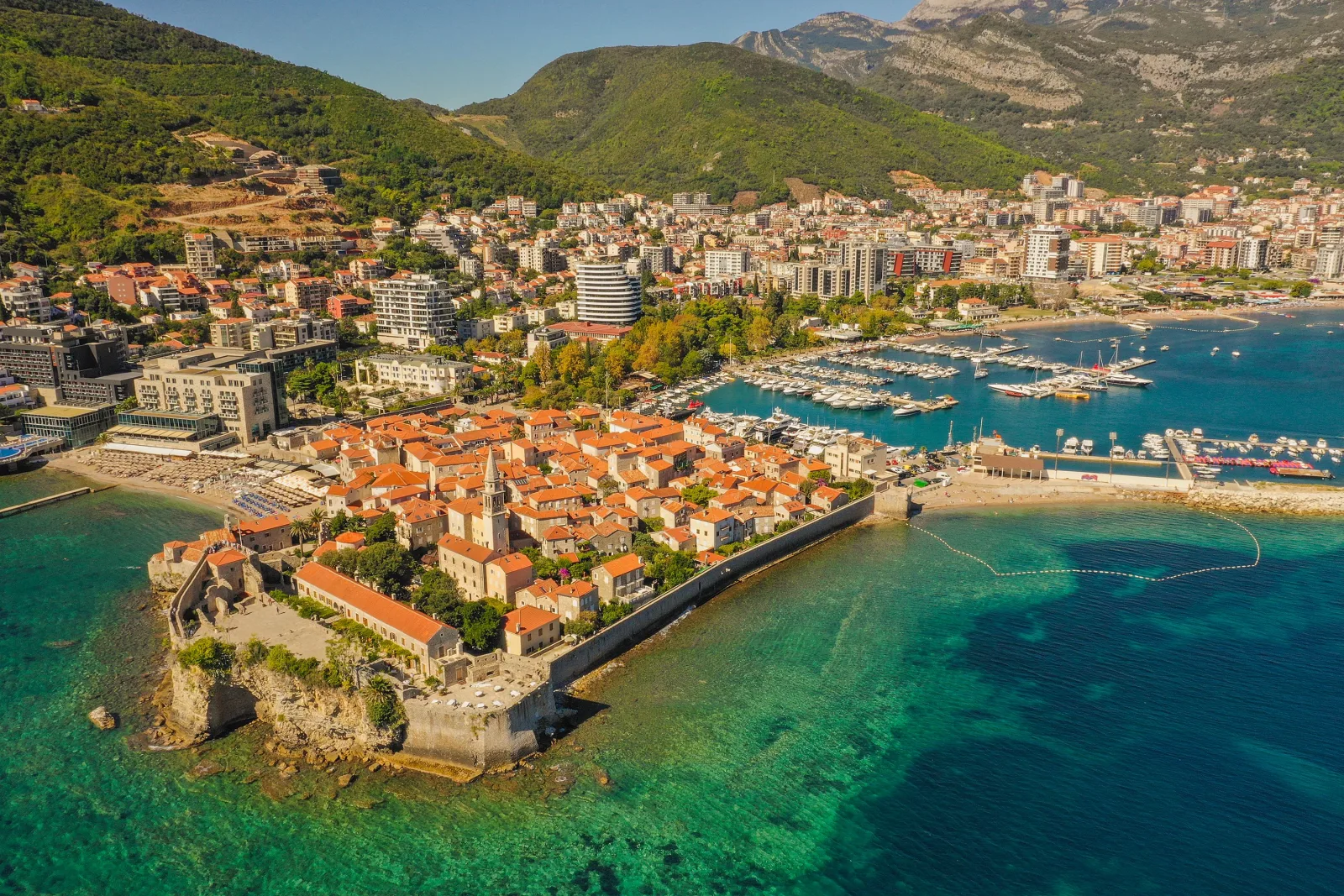
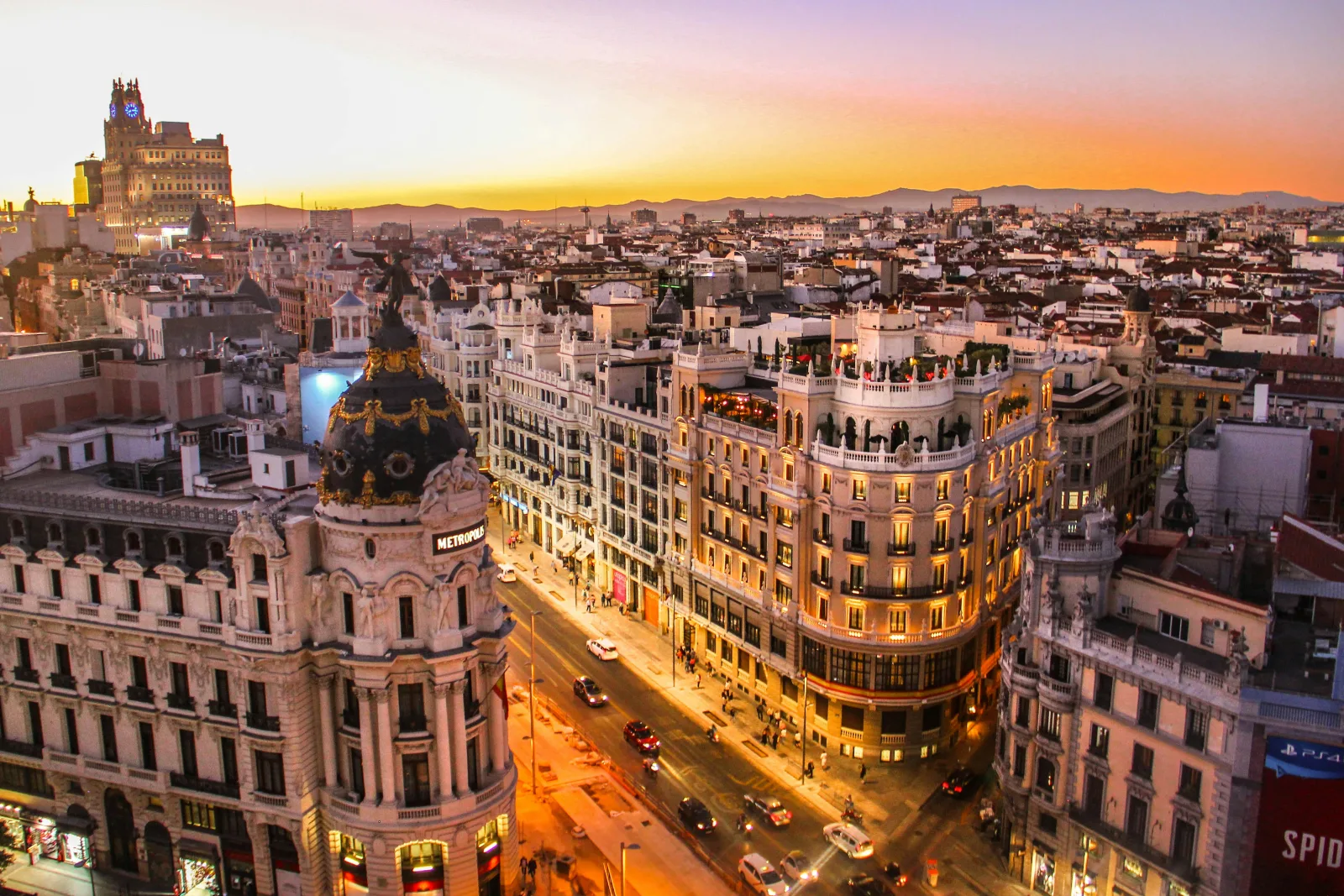
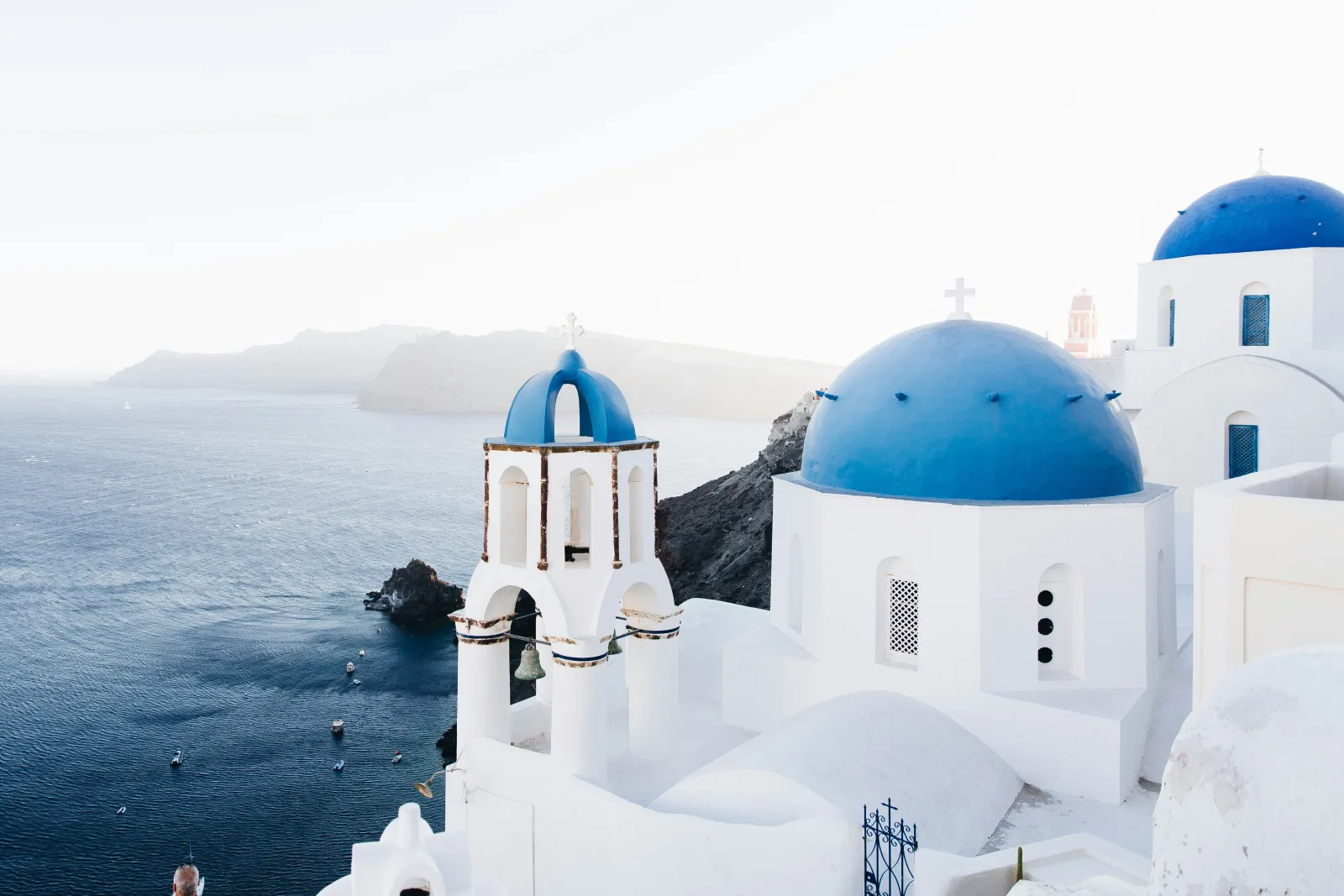
10-Day Croatia and Slovenia Itinerary: Dubrovnik, Split, Plitvice Lakes & Lake Bled
Explore Croatia and Slovenia in 10 days, from Dubrovnik’s historic streets and Plitvice’s waterfalls to Ljubljana and Lake Bled’s alpine scenery.
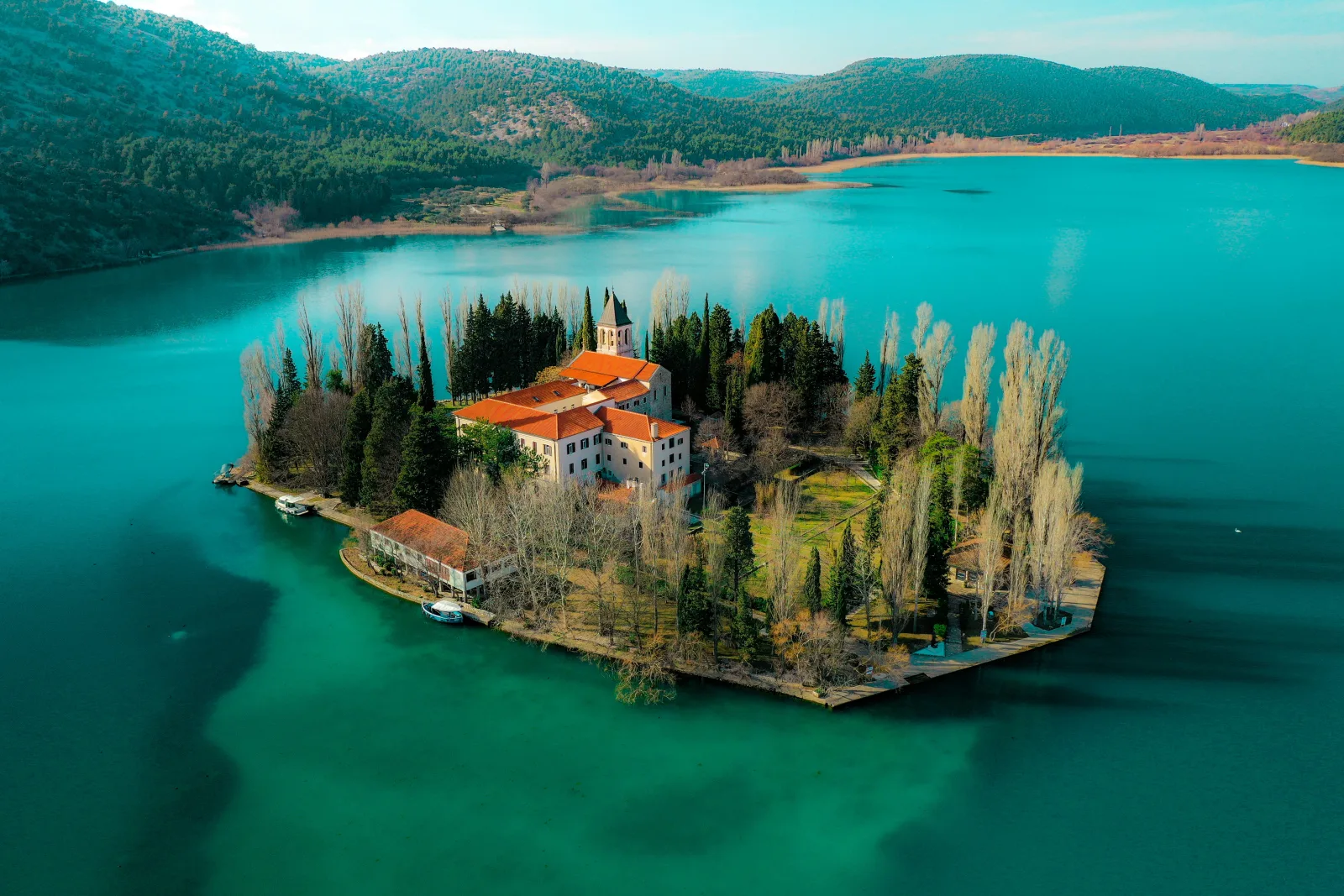
Croatia and Slovenia offer two distinct sides of Central and Southeastern Europe in one memorable journey. From Dubrovnik's medieval streets and Split's Roman heritage to the turquoise lakes of Plitvice and the alpine scenery surrounding Lake Bled, this 10-day Croatia and Slovenia itinerary combines historic cities, coastal landscapes and natural wonders.
Designed for travelers visiting the region for the first time, this route follows a northbound journey from Dubrovnik, Croatia, to Ljubljana, Slovenia, finishing with two nights at Lake Bled. Along the way, you'll discover the Dalmatian Coast, explore one of Europe's most celebrated national parks and experience Slovenia's charming capital and alpine countryside.
This is a fast-paced route: nine nights, five hotel changes and several driving days. It suits travelers who want to see a lot in ten days, with scenic drives and time to explore at your own pace. Private guided tours can be added in Dubrovnik, Split, Zagreb and Ljubljana, and a slower variation is described at the end of the itinerary.
Croatia and Slovenia Itinerary Overview
- Duration: 10 days / 9 nights
- Countries: Croatia and Slovenia
- Starting point: Dubrovnik, Croatia
- Ending point: Lake Bled, with a transfer to Ljubljana Airport on the last day
- Travel style: Cultural exploration, coastal scenery and nature
- Recommended transportation: Private transfers or a self-drive rental car
- Best for: First-time visitors, couples and travelers interested in combining historic cities with outdoor experiences
Route at a Glance
Day | Route | Highlights | Driving time | Overnight |
|---|---|---|---|---|
1 | Arrive in Dubrovnik | Pile Gate, Stradun, Luža Square | Airport transfer | Dubrovnik |
2 | Dubrovnik | City Walls, Rector's Palace, Mount Srđ | None | Dubrovnik |
3 | Dubrovnik to Split | Dalmatian coast, Pelješac Bridge, Riva waterfront | 3.5–4.5 hours | Split |
4 | Split and Trogir | Diocletian's Palace, Trogir Old Town | About 30 minutes each way to Trogir | Split |
5 | Split to Plitvice area | Inland Croatia, Rastoke village | 3–4 hours | Plitvice Lakes area |
6 | Plitvice to Zagreb | Plitvice Lakes National Park, evening in Zagreb | 2–2.5 hours, after 4–6 hours in the park | Zagreb |
7 | Zagreb to Ljubljana | Upper Town, Dolac Market, Ljubljana riverfront | 1.5–2 hours | Ljubljana |
8 | Ljubljana to Lake Bled | Old Town, Ljubljana Castle, Bled lakeside | About 45 minutes | Lake Bled |
9 | Lake Bled | Pletna boat, Bled Castle, Vintgar Gorge | None | Lake Bled |
10 | Departure | Transfer to Ljubljana Airport | 35–45 minutes | None |
Driving times are approximate and depend on traffic and the route you choose.
Day 1: Arrive in Dubrovnik, Croatia
Begin your journey in Dubrovnik, one of the Adriatic's most recognizable historic destinations. Often called the Pearl of the Adriatic, the city is known for its medieval architecture, limestone streets and impressive stone fortifications overlooking the sea.
After arriving at Dubrovnik Airport, transfer to your hotel and take some time to settle in. Depending on your arrival time, spend the afternoon exploring the historic center at a relaxed pace.
Start at Pile Gate, one of the main entrances to Dubrovnik's Old Town. From here, follow Stradun, the city's principal pedestrian street, where historic buildings, cafés and small shops line the polished limestone pavement.
Continue towards Luža Square to see the Bell Tower, Orlando's Column and the Church of St. Blaise. These landmarks offer an introduction to Dubrovnik's Venetian and Mediterranean influences.
In the evening, enjoy dinner at a local restaurant and take a walk along the waterfront as the Old Town begins to glow under the evening lights.
Highlights:
- Pile Gate and Dubrovnik Old Town
- Stradun and Luža Square
- Church of St. Blaise
- Evening along the Adriatic waterfront
Overnight: Dubrovnik
Day 2: Discover Dubrovnik's Historic Old Town
Spend your second day exploring Dubrovnik in greater depth.
Begin with a walk along the famous City Walls, which offer panoramic views across the terracotta rooftops of the Old Town and the Adriatic Sea. The route takes you around much of the historic center, with viewpoints overlooking the harbor, nearby islands and the city's distinctive fortifications.
Practical tip: The walls are busiest in the middle of the day, especially when cruise ships are in port. Go when they open or in the late afternoon, and check the cruise ship schedule when choosing your day.
After exploring the walls, visit Rector's Palace, a historic building that once served as the seat of the Republic of Ragusa's government. Its architecture reflects a combination of Gothic, Renaissance and Baroque influences.
Continue to the Franciscan Monastery, known for its historic cloister and one of Europe's oldest continuously operating pharmacies.
In the afternoon, consider taking the cable car to Mount Srđ. From the summit, you'll enjoy sweeping views of Dubrovnik, the surrounding coastline and the nearby islands. It is particularly rewarding in the late afternoon when the light begins to soften.
Alternatively, spend some time relaxing at Banje Beach, located just outside the Old Town.
Highlights:
- Dubrovnik City Walls
- Rector's Palace
- Franciscan Monastery
- Mount Srđ panoramic viewpoint
- Banje Beach
Overnight: Dubrovnik
Day 3: Travel Along the Dalmatian Coast to Split
Today, leave Dubrovnik and travel north along Croatia's spectacular Dalmatian Coast towards Split.
The drive takes approximately 3.5 to 4.5 hours, depending on traffic and the route selected. The coastal journey offers beautiful views of the Adriatic, small seaside settlements and rugged limestone landscapes.
The Pelješac Bridge provides a convenient way to avoid the short section of Bosnia and Herzegovina's Neum corridor when traveling by road between Dubrovnik and northern Croatia.
Upon arrival in Split, check into your hotel before heading towards the historic center.
Spend the afternoon exploring the Riva waterfront promenade, one of the city's most popular gathering places. Lined with palm trees, cafés and restaurants, it is an excellent place to enjoy the Mediterranean atmosphere.
Continue into the Old Town, where Roman architecture blends with medieval streets and everyday local life.
Highlights:
- Scenic Dalmatian coastal drive
- Pelješac Bridge
- Split Riva waterfront
- Split Old Town
Overnight: Split
Day 4: Explore Split and Historic Trogir
Spend the morning discovering Split's remarkable Roman heritage.
The city's most famous landmark is Diocletian's Palace, a UNESCO World Heritage Site built in the early fourth century as the retirement residence of Roman Emperor Diocletian.
Unlike many ancient monuments, the palace is not an isolated archaeological site. Its historic structures form the heart of modern Split, with homes, shops, cafés and restaurants occupying buildings within the former palace complex.
Explore the Peristyle, the palace's central courtyard, and visit the Cathedral of Saint Domnius, originally constructed as Diocletian's mausoleum.
After lunch, consider a short excursion to Trogir, a historic coastal town approximately 30 minutes from Split by road. Its compact Old Town is also a UNESCO World Heritage Site, with Romanesque churches, Renaissance architecture and narrow stone streets.
Return to Split in the evening for dinner along the waterfront.
Highlights:
- Diocletian's Palace
- Peristyle Square
- Cathedral of Saint Domnius
- Split's historic streets
- Trogir Old Town
Overnight: Split
Day 5: Journey to Plitvice Lakes National Park
Leave the Adriatic coastline behind and travel inland towards Plitvice Lakes National Park.
The drive from Split generally takes around 3 to 4 hours, depending on traffic and the chosen route.
Plitvice is one of Croatia's most celebrated natural attractions and a UNESCO World Heritage Site. The park is famous for its interconnected lakes, cascading waterfalls, wooden walkways and dense forest landscapes.
After arriving and checking into your accommodation, spend the remainder of the day enjoying the surrounding countryside.
If you arrive early enough, you may have time for a short walk near the park entrance or a visit to the nearby village of Rastoke. Known for its traditional watermills and small waterfalls, Rastoke offers a picturesque introduction to the region.
For the best experience, stay close to the national park so you can enter early the following morning.
Highlights:
- Scenic drive through inland Croatia
- Plitvice Lakes region
- Optional visit to Rastoke village
- Relaxing evening near the national park
Overnight: Plitvice Lakes area
Day 6: Discover Plitvice Lakes and Continue to Zagreb
Dedicate the morning to exploring Plitvice Lakes National Park.
The park features 16 named lakes connected by waterfalls and natural waterways. The lakes are divided into Upper Lakes and Lower Lakes, each offering a different landscape and walking experience.
Begin with the Lower Lakes, where wooden pathways lead past turquoise water and dramatic limestone cliffs. One of the most recognizable sights is Veliki Slap, the park's largest waterfall.
Continue towards the Upper Lakes to experience a quieter landscape surrounded by forests, smaller waterfalls and natural pools.
Depending on your selected walking program, you can also use the park's electric boats and panoramic vehicles to move between sections of the lake system.
Allow approximately 4 to 6 hours for a rewarding visit. After exploring the park, travel north to Zagreb, a drive of roughly 2 to 2.5 hours.
Upon arrival, check into your hotel and enjoy a relaxed evening in Croatia's capital.
Highlights:
- Plitvice Lakes National Park
- Upper and Lower Lakes
- Veliki Slap waterfall
- Electric boat and panoramic train
- Evening in Zagreb
Overnight: Zagreb
Travel tip: Plitvice Lakes tickets should be purchased in advance, particularly during the summer season. Opening hours and available walking programs vary throughout the year, and swimming in the lakes is not permitted.
Day 7: Explore Zagreb and Travel to Ljubljana, Slovenia
Begin your morning in Zagreb, Croatia's lively capital, where Central European architecture and café culture create a different atmosphere from the coastal cities.
Start in Ban Jelačić Square, the city's central meeting point, before continuing towards the historic Upper Town.
Walk through the Stone Gate, visit St. Mark's Church and explore the charming streets surrounding the Croatian Parliament.
If time allows, visit Dolac Market, a popular open-air market where local vendors sell fresh produce, regional specialties and traditional products.
In the afternoon, continue north across the border into Slovenia towards Ljubljana. The drive from Zagreb to Ljubljana generally takes around 1.5 to 2 hours, depending on traffic, road conditions, and time at the border crossing.
After arriving, check into your hotel and enjoy an evening walk along the Ljubljanica River. The riverfront is one of the most attractive parts of the Slovenian capital, with outdoor cafés, historic bridges and lively pedestrian streets.
Highlights:
- Ban Jelačić Square
- Zagreb Upper Town
- St. Mark's Church
- Dolac Market
- Scenic journey into Slovenia
- Ljubljana riverfront
Overnight: Ljubljana
Day 8: Discover Ljubljana and Travel to Lake Bled
Spend the morning exploring Ljubljana, a compact and welcoming capital known for its riverside setting, green spaces and distinctive architecture.
Begin at Prešeren Square, one of the city's main public spaces, before crossing the Triple Bridge towards the Old Town.
Walk along the Ljubljanica River and explore the surrounding streets, where colorful Baroque buildings, independent shops and cafés create a relaxed atmosphere.
Later, visit Ljubljana Castle, perched on a hill overlooking the city. You can reach the castle on foot or by funicular railway. From the viewing areas, enjoy panoramic views across Ljubljana and the surrounding landscape.
In the afternoon, travel approximately 45 minutes northwest to Lake Bled.
Upon arrival, check into your accommodation and enjoy your first views of the lake, its small island church and the Julian Alps in the distance.
Spend the evening walking along the lakeside promenade.
Highlights:
- Prešeren Square
- Triple Bridge
- Ljubljana Old Town
- Ljubljana Castle
- Scenic drive to Lake Bled
Overnight: Lake Bled
Day 9: Experience Lake Bled and the Julian Alps
Dedicate your final full day to exploring Lake Bled, one of Slovenia's most recognizable destinations.
Begin with a walk along the lakeside paths, where changing viewpoints reveal different perspectives of the island church, surrounding mountains and medieval castle.
One of the most memorable experiences is taking a traditional wooden pletna boat to Bled Island. Once there, visit the Church of the Assumption and enjoy the peaceful atmosphere of the island.
Return to the shore and consider visiting Bled Castle, dramatically positioned on a cliff overlooking the lake. The castle offers excellent views and provides insight into the region's history.
If you prefer outdoor activities, you can also explore nearby hiking trails or visit Vintgar Gorge, where wooden walkways follow the turquoise waters of the Radovna River between steep limestone cliffs. Vintgar Gorge is a seasonal attraction that typically closes in winter, so check opening dates if you travel outside the warmer months.
In the afternoon, enjoy some free time at one of the lakeside cafés. Before leaving, try a slice of traditional Bled cream cake, known locally as kremšnita.
Highlights:
- Lake Bled
- Traditional pletna boat ride
- Bled Island and Church of the Assumption
- Bled Castle
- Optional Vintgar Gorge excursion
- Traditional Bled cream cake
Overnight: Lake Bled
Day 10: Departure from Slovenia
Enjoy breakfast at your hotel before preparing for departure.
Lake Bled is approximately 35 to 45 minutes by road from Ljubljana Airport, depending on traffic. Arrange a private airport transfer or rental car return according to your flight schedule.
If your flight departs later in the day, you may have time for a final walk around the lake or a relaxed breakfast overlooking the surrounding mountains.
Your 10-day journey through Croatia and Slovenia comes to an end, combining the historic Adriatic coastline, remarkable natural landscapes and the welcoming atmosphere of Slovenia's alpine region.
Departure: Ljubljana Airport, Slovenia
Why This Route Works
The route runs in one direction, from the far south of Croatia to Slovenia's Julian Alps, so there is no backtracking. It pairs the Adriatic coast with an inland national park and two capitals, and it keeps the longest stays for the places where an extra night adds the most: Dubrovnik, Split and Lake Bled.
There are trade-offs. Ljubljana gets only the evening of Day 7 and the morning of Day 8, and three of the nine nights are one-night stops. Day 6 is also a full day, with 4 to 6 hours in Plitvice followed by a drive to Zagreb.
For a slower variation, skip the Zagreb overnight. Spend Day 6 at Plitvice and continue straight to Ljubljana, which takes roughly 3 to 3.5 hours, so you can spend a full day in Ljubljana. You would see Zagreb only briefly or not at all, but you would save one hotel change.
Practical Travel Tips for Croatia and Slovenia
How to Travel Between Croatia and Slovenia
The most convenient way to explore both countries on this itinerary is by private vehicle, rental car or a combination of private transfers and organized excursions.
A rental car offers greater flexibility and independence, making it easier to explore destinations such as Rastoke, the countryside around Lake Bled and to set your own pace on each day.
Private transfers provide a more relaxed experience, particularly for travelers who prefer to avoid navigating unfamiliar roads and arranging international rental-car logistics.
For a tailor-made vacation, a combination of private transfers, local guided tours and selected self-guided experiences can provide an excellent balance of comfort and flexibility.
Public transportation is available between major cities, including Zagreb and Ljubljana. However, reaching national parks and smaller destinations can require additional transfers and careful scheduling.
If you rent a car, check three things before booking. Confirm that the rental company allows cross-border travel between Croatia and Slovenia. Ask about the one-way fee for picking up in Dubrovnik and returning in Ljubljana, which can be significant and is worth comparing with the cost of private transfers. And remember that Slovenian motorways require an e-vignette, while Croatian motorways charge tolls at toll booths.
Do You Need to Cross a Border Between Croatia and Slovenia?
Yes, but it is usually quick as both countries are in the Schengen Area. Always carry your passport, and check for any updates before you travel.
What Is the Best Time to Visit Croatia and Slovenia?
The best time for this itinerary is generally late spring through early autumn, with May, June and September offering a particularly attractive balance of comfortable temperatures and sightseeing conditions.
- Spring (April–May): Pleasant temperatures, green landscapes and impressive waterfalls at Plitvice Lakes. Some mountain and outdoor activities may have seasonal restrictions.
- Summer (June–August): Ideal for enjoying the Adriatic coastline, swimming and outdoor dining. However, Dubrovnik and Split can become particularly busy, and accommodation prices are generally higher.
- Autumn (September–October): Comfortable sightseeing conditions, fewer summer crowds and beautiful autumn scenery around Plitvice and Lake Bled.
- Winter (November–March): A quieter experience with seasonal charm, although shorter daylight hours and colder weather can affect outdoor activities and travel plans. Some attractions, such as Vintgar Gorge, close for the season.
How Many Nights Should You Spend in Each Destination?
For this 10-day route, the recommended accommodation distribution is:
Destination | Recommended nights |
|---|---|
Dubrovnik | 2 |
Split | 2 |
Plitvice Lakes area | 1 |
Zagreb | 1 |
Ljubljana | 1 |
Lake Bled | 2 |
Total | 9 nights |
This distribution keeps hotel changes to five in nine nights, with the longer stays in Dubrovnik, Split and Lake Bled.
What Currency Do Croatia and Slovenia Use?
Both countries use the euro (€). Credit cards are widely accepted in hotels, restaurants and shops, but carry some cash for small cafés, markets and parking.
Do Americans Need a Visa for Croatia and Slovenia?
U.S. citizens can generally visit the Schengen Area, including Croatia and Slovenia, without a visa for up to 90 days in any 180-day period. Entry rules for the EU can change, so be sure to check official requirements before you travel, including the EU Entry/Exit System and the ETIAS travel authorization once it comes into effect. Make sure your passport is valid for the required period.
Frequently Asked Questions
Is 10 days enough to visit Croatia and Slovenia?
Yes. Ten days is enough to experience several of the region's most important destinations, including Dubrovnik, Split, Plitvice Lakes, Zagreb, Ljubljana and Lake Bled. Although you will not see every region in either country, this itinerary provides a balanced introduction to their cultural and natural highlights.
What is the best route for a Croatia and Slovenia trip?
A convenient northbound route is Dubrovnik, Split, Plitvice Lakes, Zagreb, Ljubljana and Lake Bled. Starting in southern Croatia and finishing in Slovenia avoids unnecessary backtracking and allows travelers to experience both the Adriatic coast and the alpine landscapes.
Should I visit Dubrovnik or Split first?
Flights usually play a part in making this decision. This itinerary starts in Dubrovnik, the farthest point from Ljubljana, so you travel in one direction and finish in Slovenia without backtracking. An multi-city ticket, flying into Dubrovnik and out of Ljubljana, makes that work. Dubrovnik Airport has more flights in summer than in winter, so check availability for your dates.
Is Plitvice Lakes worth visiting?
Definitely! The Plitvice Lakes National Park is one of Croatia's most distinctive natural attractions, known for its interconnected lakes, waterfalls and forest landscapes. Plan 4 to 6 hours for your visit, start early to avoid the crowds, and buy tickets in advance for the summer season.
Is Lake Bled a day trip from Ljubljana?
Lake Bled is approximately 45 minutes by car from Ljubljana, making it a convenient day trip. However, staying overnight allows travelers to enjoy the lake in the early morning and evening, when the atmosphere is generally more peaceful.
Can this itinerary be customized?
Yes. The route can be adapted to suit different travel styles, interests and schedules. Travelers can add time on the Dalmatian islands, include Istria, or extend their stay in Slovenia to explore the Julian Alps and Lake Bohinj.
Discover Croatia and Slovenia with a Tailor-Made Journey
From Dubrovnik's historic city walls to the peaceful shores of Lake Bled, Croatia and Slovenia offer an exceptional combination of cultural heritage, coastal beauty and natural landscapes.
This 10-day itinerary provides a starting point for exploring both countries, but every journey can be adapted to reflect your interests, preferred pace and travel style.
At 7 Wonders Travel, we create tailor-made European journeys designed around the experiences that matter most to each traveler. Whether you prefer private guided tours, scenic road journeys, boutique accommodations or additional time in the Adriatic countryside, our travel specialists can help shape your ideal Croatia and Slovenia vacation.
Start planning your journey with 7 Wonders Travel.