Spain and Morocco Itinerary: 7, 10 & 14-Day Travel Routes
Explore Spain and Morocco with 7, 10 or 14-day itineraries through Seville, Tangier, Essaouira, Marrakech, Fez, Granada and Madrid.
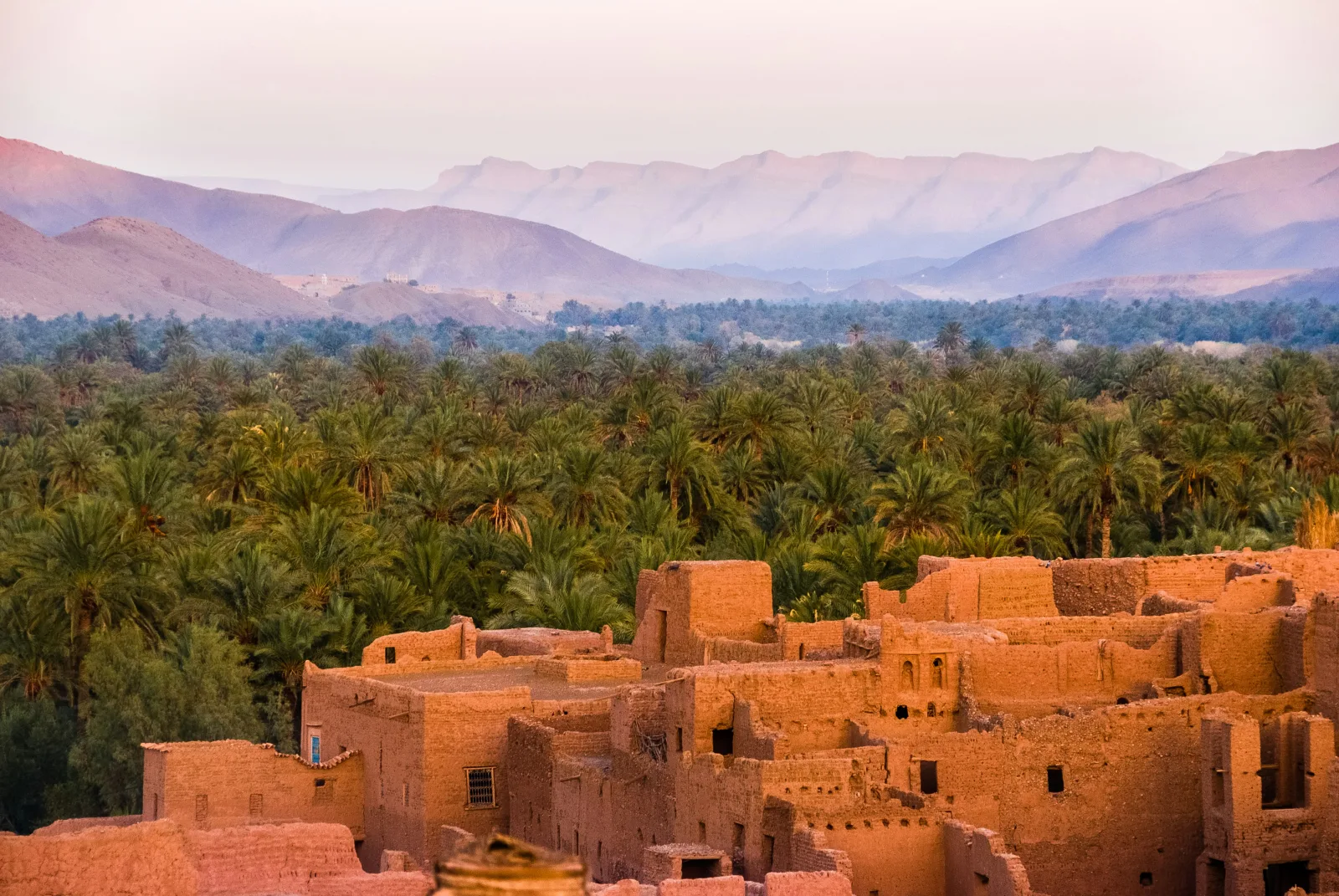
Spain and Morocco are close neighbours, separated by the Strait of Gibraltar, but offer very different experiences. Spain brings together historic cities, impressive architecture, traditional markets and a strong regional food culture. Across the Strait, Morocco introduces visitors to lively medinas, traditional souks, historic palaces and a distinctive North African atmosphere.
Visiting both countries in one trip is possible, but choosing the right route is important. Ferry connections, limited direct flights and long-distance transfers can have a significant impact on how much time you actually spend exploring.
This guide presents three practical ways to combine Spain and Morocco: a seven-day introduction to Andalusia and northern Morocco, a ten-day journey along Morocco's Atlantic coast to Valencia and Madrid, and a fourteen-day cultural itinerary combining Morocco's imperial cities with southern Spain and Madrid.
Spain and Morocco in 7, 10 or 14 Days: At a Glance
Duration | Main destinations | Main transport connections | Best for |
|---|---|---|---|
7 days | Seville, Gibraltar, Tangier, Casablanca | Private road transfers, ferry, high-speed train | A short introduction to Andalusia and northern Morocco |
10 days | Essaouira, Casablanca, Rabat, Valencia, Madrid | Private transfer, train, flight, high-speed rail | Morocco's Atlantic coast and Mediterranean Spain, with a short stop in Madrid |
14 days | Marrakech, Fez, Málaga, Granada, Madrid (day trip to Toledo) | Train, flight, Private transfer, high-speed rail | Imperial cities, Andalusian heritage and Madrid's museums |
Which route should you choose?
- Choose the 7-day itinerary if you want to experience southern Spain and cross into Morocco without spending too much time travelling between distant cities.
- Choose the 10-day itinerary if you prefer Morocco's Atlantic coast, a relaxed Mediterranean finish in Valencia and a short stop in Madrid. Marrakech is only the arrival airport on this route.
- Choose the 14-day itinerary if you want to explore Morocco's imperial cities, Marrakech and Fez, and spend more time in Andalusia, including the Alhambra in Granada.
Travel times and fares in this guide are indicative. Prices, flight frequencies and ferry schedules change, so confirm them for your travel dates before booking.
Itinerary 1: 7 Days in Spain and Morocco – Seville, Gibraltar, Tangier & Casablanca
This seven-day route is designed for travellers who want to combine Andalusian architecture and culture with a first introduction to Morocco. Beginning in Seville, the journey moves south to Gibraltar before crossing the Strait of Gibraltar from Tarifa to Tangier. It ends in Casablanca, with a convenient high-speed train connection from northern Morocco.
Route at a glance: Seville (2 nights), Tarifa (1 night), Tangier (2 nights), Casablanca (1 night). Gibraltar is visited on the way to Tarifa.
Day 1: Arrival in Seville, Spain
Arrive in Seville and transfer to your hotel. Spend the remainder of the day getting settled and exploring the surrounding neighbourhood.
Depending on your arrival time, take a stroll through the historic centre, visit Plaza Nueva or enjoy an evening walk around the Cathedral area. Seville's tapas bars are also a good introduction to Andalusian food culture.
Overnight: Seville.
Day 2: Discover Seville's Historic Centre
Dedicate a full day to Seville, one of the most rewarding cities to explore in southern Spain.
Start with Seville Cathedral and the Giralda, the city's most recognisable historic landmarks. Continue to the Real Alcázar, a remarkable palace complex combining Mudéjar, Gothic and Renaissance architectural elements.
Later, visit Plaza de España, with its impressive semicircular architecture and tiled bridges, followed by a walk through Parque de María Luisa.
If you have time, explore the Santa Cruz neighbourhood, known for its narrow streets and traditional courtyards, or cross the river to Triana, an area with a strong connection to flamenco, ceramics and local food traditions.
Practical tip: Book Real Alcázar and Cathedral tickets ahead of your visit, especially during spring and summer.
Overnight: Seville.
Day 3: Seville to Gibraltar and Tarifa
Leave Seville in the morning for Gibraltar, approximately 196 km away. A private road transfer takes around 2 hours and 10 minutes under normal traffic conditions. Allow extra time for the border crossing into Gibraltar, as queues and checks can vary. Border procedures between Spain and Gibraltar have been changing, so check the latest guidance before you travel and keep your passports to hand.
Gibraltar has a distinct British identity despite its location on Spain's southern coastline. Its strategic position overlooking the Strait has shaped its history for centuries.
The main attraction is the Rock of Gibraltar, where you can explore the Upper Rock Nature Reserve. Other worthwhile stops include St. Michael's Cave, the Great Siege Tunnels and Apes' Den, home to Gibraltar's famous Barbary macaques.
After sightseeing, continue to Tarifa, approximately 45–50 minutes away by car from Gibraltar.
Tarifa is the departure point for the short ferry crossing to Tangier the following day. Staying overnight here avoids an early international transfer from Gibraltar.
This is a full day. If you prefer a lighter pace, skip Gibraltar and drive directly from Seville to Tarifa, which takes roughly two and a half hours.
Overnight: Tarifa.
Day 4: Tarifa to Tangier by Ferry
Take the ferry from Tarifa to Tangier Ville, with a crossing time of approximately one hour. Unlike Tangier Med, Tangier Ville is located close to the city centre, making it more convenient for visitors who want to explore the medina immediately after arrival.
The route is currently served by Baleària. Advertised fares start at approximately €70 per passenger, although the final price depends on travel dates and availability.
After arriving in Tangier, check into your hotel and explore the historic centre.
Visit the Kasbah, the Kasbah Museum, the Grand Socco and the American Legation Museum, which offers an interesting insight into Morocco's international history.
In the evening, explore the medina and enjoy traditional Moroccan food at a local restaurant.
Overnight: Tangier.
Day 5: Tangier and the Northern Moroccan Coast
Spend another day exploring Tangier and its surrounding coastline.
Start with Cape Spartel, where the Atlantic Ocean and Mediterranean Sea meet. Nearby, visit the Caves of Hercules, a well-known coastal attraction associated with local mythology.
Back in the city, take some time to explore Petit Socco, browse traditional shops and enjoy a café overlooking the Strait of Gibraltar.
Two days in Tangier provide enough time to experience its historic centre and surrounding coastal highlights without rushing through the city.
Overnight: Tangier.
Day 6: Tangier to Casablanca by High-Speed Train
Travel from Tangier to Casablanca aboard Morocco's Al Boraq high-speed train.
The direct journey from Tangier Ville to Casa Voyageurs takes approximately 2 hours and 17 minutes. Fares depend on the class and booking date, so check ONCF for current prices.
On arrival, explore Casablanca's most important landmarks.
Begin with the Hassan II Mosque, one of Morocco's most impressive religious and architectural sites, dramatically positioned beside the Atlantic Ocean. Guided visits are available outside prayer times.
Continue to the Old Medina and the Habous Quarter, known for its traditional architecture, shops and cafés. If time permits, take an evening walk along the Ain Diab Corniche.
Overnight: Casablanca.
Day 7: Departure from Casablanca
After breakfast, transfer to Mohammed V International Airport for your international departure.
Casablanca is a practical final stop because it has a major international airport and direct connections to numerous destinations.
Why this route works: It follows a logical south-to-north journey through Andalusia, Gibraltar and northern Morocco, using Tarifa for the ferry crossing and the Al Boraq train for the longer journey to Casablanca.
Itinerary 2: 10 Days in Morocco and Spain – Essaouira, Casablanca, Rabat, Valencia & Madrid
This ten-day itinerary offers a more balanced introduction to Morocco and Spain, combining Morocco's Atlantic coastline and its capital with Valencia's Mediterranean setting and a short stop in Madrid.
The journey begins with a transfer from Marrakech Menara Airport to Essaouira, then follows the Atlantic coast to Casablanca and Rabat. It continues to Spain, where travellers discover Valencia's historic architecture, coastline and contemporary attractions before finishing in Madrid. Marrakech itself is not part of this route; if it is a priority, see the 14-day itinerary.
Unlike shorter cross-border itineraries, this route allows travellers to experience both countries without dedicating the majority of their time to just one destination.
The itinerary assumes arrival at Marrakech Menara Airport and international departure from Madrid. It includes four nights in Morocco and five nights in Spain.
Route at a glance: Essaouira (2 nights), Casablanca (1 night), Rabat (1 night), Valencia (4 nights), Madrid (1 night).
Day 1: Arrival in Marrakech and Transfer to Essaouira
Arrive at Marrakech Menara Airport and meet your private driver for a transfer to Essaouira.
The journey covers approximately 175–180 km and takes around 2 hours and 45 minutes by car, depending on traffic and road conditions.
After checking into your hotel, enjoy a relaxed evening in Essaouira's historic medina. Its blue-and-white buildings, traditional architecture and Atlantic coastline provide a welcoming introduction to Morocco.
Overnight: Essaouira.
Day 2: Explore Essaouira's Medina and Harbour
Spend a full day discovering Essaouira, a historic coastal town known for its fortified medina, artistic atmosphere and traditional fishing port.
Begin with the Medina of Essaouira, a UNESCO-listed historic area featuring narrow streets, local shops, art galleries and traditional workshops.
Walk along the Skala de la Kasbah, where historic cannons overlook the Atlantic, and continue towards the Skala du Port for views of the harbour and fishing boats.
Visit the working Fishing Port, where the daily catch is brought ashore and fresh seafood is prepared at nearby restaurants.
In the afternoon, enjoy a walk along Essaouira Beach or explore some of the independent galleries and craft shops around the medina.
Essaouira is also an excellent place to try freshly grilled fish and traditional Moroccan seafood dishes.
Overnight: Essaouira.
Day 3: Essaouira to Casablanca
After breakfast, depart Essaouira and travel north towards Casablanca.
The drive takes approximately 4.5–5 hours by private vehicle, depending on traffic and road conditions.
There is no direct train from Essaouira to Casablanca.
Upon arrival, check into your hotel and enjoy the evening exploring Casablanca's waterfront or one of its restaurants.
Overnight: Casablanca.
Day 4: Casablanca and Transfer to Rabat
Begin the day at the Hassan II Mosque, one of Morocco's most impressive architectural landmarks. Its magnificent minaret, intricate craftsmanship and dramatic Atlantic Ocean setting make it a highlight of Casablanca.
Continue to the Habous Quarter, a historic district combining traditional Moroccan architecture with French urban planning. Explore its traditional shops and visit the impressive Mahkama du Pacha if access is available.
Depending on your schedule, take a short walk through Casablanca's Old Medina before continuing north to Rabat.
The train journey from Casablanca to Rabat takes approximately one hour, making it a convenient connection between the two cities.
Upon arrival in Rabat, check into your hotel and enjoy an evening walk through the city's historic districts.
Overnight: Rabat.
Day 5: Discover Rabat and Fly to Valencia
Spend the morning exploring Rabat, Morocco's capital and a city known for its historic landmarks, elegant streets and coastal setting.
Begin at Hassan Tower, an unfinished minaret that was intended to form part of a monumental mosque.
Nearby, visit the Mausoleum of Mohammed V, recognised for its detailed decoration and peaceful setting.
Continue to the Kasbah of the Udayas, a historic fortified quarter overlooking the Bou Regreg River and Atlantic coastline. Its white-and-blue streets and Andalusian Garden are among Rabat's most recognisable attractions.
Later, transfer to Casablanca Mohammed V International Airport.
One practical option is to take an ONCF train from Rabat to Casa Voyageurs, followed by the airport train to Mohammed V International Airport. Allow approximately 1.5–2 hours for the rail journey and connection, depending on the departure station and timetable.
From Casablanca, take a direct flight to Valencia with Royal Air Maroc. This route operates several times a week rather than daily, and departures are typically in the late afternoon or evening, which suits a morning in Rabat. To keep a comfortable buffer, aim to leave Rabat around midday, and confirm the flight day and time before finalising the itinerary.
Upon arrival in Valencia, transfer to your hotel and enjoy a relaxed Mediterranean evening.
Overnight: Valencia.
Day 6: Discover Valencia's Historic Centre
Begin your Spanish experience by exploring Valencia's historic centre, where many of the city's most important landmarks are within walking distance.
Visit Mercat Central, one of Europe's most impressive covered food markets, known for its colourful stalls and modernist architecture.
Continue to La Lonja de la Seda, a UNESCO World Heritage Site and one of Valencia's finest examples of Gothic architecture.
Explore Valencia Cathedral and its surrounding squares, including Plaza de la Virgen. The cathedral's bell tower, El Miguelete, offers panoramic views across the historic centre.
Make time to enjoy traditional Valencian cuisine, particularly paella, which originated in the Valencia region.
In the evening, explore the city's lively restaurants and atmospheric streets.
Overnight: Valencia.
Day 7: City of Arts and Sciences and Valencia's Waterfront
Spend the day discovering Valencia's modern architecture and Mediterranean coastline.
Visit the City of Arts and Sciences, an extraordinary architectural complex designed by Santiago Calatrava and Félix Candela.
Its main attractions include the Hemisfèric, Science Museum and Oceanogràfic, one of Europe's largest aquariums.
Afterwards, enjoy a walk through the Turia Gardens, a long green park created in the former riverbed of the Turia River.
Continue towards Malvarrosa Beach and the nearby El Cabanyal neighbourhood, known for its traditional houses, colourful façades and seafood restaurants.
This day offers a contrast to Valencia's historic centre and provides time to appreciate the city's relaxed coastal atmosphere.
Overnight: Valencia.
Day 8: Albufera Natural Park and Valencia at Leisure
Use your final full day in Valencia to explore the surrounding region at a more relaxed pace.
Take an excursion to Albufera Natural Park, located south of the city. The area is famous for its freshwater lagoon, rice fields, traditional fishing villages and diverse birdlife.
Enjoy a boat trip across the lagoon and visit El Palmar, a small village particularly known for its traditional Valencian paella restaurants.
Alternatively, travellers who prefer to remain in the city can spend more time at Malvarrosa Beach, explore local neighbourhoods or enjoy some last-minute shopping.
Return to Valencia for your final evening in the city.
Overnight: Valencia.
Day 9: Valencia to Madrid
After breakfast, travel from Valencia to Madrid by high-speed train.
The journey between Valencia Joaquín Sorolla and Madrid Chamartín takes approximately two hours, depending on the service.
Upon arrival, check into your hotel and begin exploring Spain's capital. With one night and a morning to spare, this is a short introduction rather than a full visit.
Start at Puerta del Sol, one of Madrid's most recognisable squares, before walking towards Plaza Mayor, a historic square surrounded by traditional architecture and cafés.
Continue to the Royal Palace of Madrid, an impressive royal residence known for its grand interiors and extensive collections.
If time permits, explore the surrounding streets, enjoy traditional Spanish tapas and experience Madrid's lively evening atmosphere.
Overnight: Madrid.
Day 10: Madrid and International Departure
Enjoy breakfast at your hotel before transferring to Madrid-Barajas Airport for your international departure.
Travellers with a later departure can use their remaining time to explore Retiro Park, visit the Prado Museum or enjoy a final walk through Madrid's historic centre.
Why this route works: This itinerary gives Morocco and Spain a much more balanced share of the journey. Travellers experience Essaouira's Atlantic charm, Casablanca's architecture and Rabat's historic landmarks before moving to Spain. Valencia then provides four nights of Mediterranean culture, architecture and coastal experiences, while Madrid offers a short introduction to Spain's capital.
The direct Casablanca–Valencia flight avoids an unnecessarily complicated ferry connection, while the high-speed train between Valencia and Madrid makes the final part of the journey convenient and comfortable. The itinerary also allows travellers to arrive in Marrakech and depart from Madrid, avoiding the need to return to the starting point.
Itinerary 3: 14 Days in Morocco and Spain – Marrakech, Fez, Málaga, Granada & Madrid
For travellers with two full weeks, this route offers more time to explore Morocco's historic cities before continuing to Spain.
It combines the architecture and traditional markets of Marrakech and Fez with the Andalusian heritage of Málaga and Granada, finishing in Madrid. Toledo is included as a day trip from Madrid rather than as a separate hotel stop.
Route at a glance: Marrakech (3 nights), Fez (2 nights), Málaga (2 nights), Granada (2 nights), Madrid (4 nights, including a day trip to Toledo).
Day 1: Arrival in Marrakech
Arrive in Marrakech and transfer to your hotel in the city.
Depending on your arrival time, enjoy a walk around the surrounding neighbourhood or visit Jemaa el-Fnaa in the early evening. The square becomes particularly lively as food stalls, performers and local vendors gather.
Overnight: Marrakech.
Day 2: Discover Marrakech's Historic Medina
Spend a full day exploring Marrakech's historic centre.
Begin at Bahia Palace, known for its courtyards, intricate tilework and decorative ceilings. Continue to Ben Youssef Madrasa, a historic Islamic school with beautifully detailed architecture.
Explore the traditional souks of the medina, where local artisans sell leather goods, textiles, metalwork, ceramics and other handcrafted products.
Finish the day at Jemaa el-Fnaa, where you can experience one of the city's most famous public spaces.
Overnight: Marrakech.
Day 3: Majorelle Garden and the Other Side of Marrakech
Start the day at Majorelle Garden, a botanical garden known for its distinctive blue architecture and collection of exotic plants.
Continue towards the Koutoubia Mosque, one of Marrakech's most recognisable landmarks. While non-Muslim visitors cannot enter the prayer hall, the surrounding gardens and exterior are worth seeing.
If time permits, visit the Saadian Tombs or El Badi Palace, both important historical sites that offer a deeper understanding of Marrakech's past.
Spend the evening enjoying traditional Moroccan cuisine in the medina.
Overnight: Marrakech.
Day 4: Marrakech to Fez by Train
Today travel from Marrakech to Fez by direct ONCF train.
The journey takes approximately 6 hours and 50 minutes to 7 hours, depending on the service. Second-class fares have recently been listed from around MAD 260, although the price varies by train and booking date.
This is a substantial travel day, so choosing a morning departure is recommended.
On arrival, transfer to your hotel and enjoy an evening in Fez's historic centre.
Overnight: Fez.
Day 5: Explore the Historic Medina of Fez
Fez is one of Morocco's most important historic cities and home to one of the largest medieval medinas in the world.
Begin at Bab Bou Jeloud, the famous Blue Gate and one of the main entrances to Fez el-Bali.
Explore the narrow streets of the old medina, visit Bou Inania Madrasa and discover the traditional workshops and markets.
One of the city's most memorable sights is the Chouara Tanneries, where traditional leather-dyeing techniques are still practised. Nearby viewpoints provide an opportunity to observe the colourful dyeing vats from above.
Continue to the Nejjarine Museum of Wooden Arts and Crafts and explore the exterior surroundings of Al-Qarawiyyin, one of the city's most important religious and educational landmarks. Access to the mosque itself is restricted to Muslims.
One full day is enough for the main sights of Fez el-Bali. Travellers who prefer a slower pace can add an extra night.
Overnight: Fez.
Day 6: Fez to Málaga by Direct Flight
Transfer to Fez–Saïss Airport for a direct flight to Málaga. Ryanair operates this route several times a week, but not daily, and departure times vary by day, from early morning to late evening. The flight takes about one hour.
This is an important scheduling consideration: check the current timetable and build your travel dates around the departure days before confirming hotels. If your flight leaves in the afternoon or evening, use the morning for a last walk through the medina.
If the flight days do not suit your dates, the alternative is a train from Fez to Tangier, a ferry to Tarifa and a road transfer to Málaga. This is possible, but it takes a full day of travel.
On arrival in Málaga, transfer to your hotel and enjoy a relaxed evening.
Overnight: Málaga.
Day 7: Discover Málaga's Historic Centre
Spend the day exploring Málaga, a coastal city with a rich history and a strong cultural identity.
Begin with the Alcazaba, an impressive Moorish palace-fortress overlooking the city. At its foot, visit the Roman Theatre, which illustrates the different periods of Málaga's history.
Continue to Gibralfaro Castle, which offers panoramic views across the port and city centre.
Art lovers should also visit the Picasso Museum Málaga, dedicated to the work of Pablo Picasso, who was born in the city.
After sightseeing, enjoy Málaga's old town, its tapas bars and the waterfront around Muelle Uno.
Overnight: Málaga.
Day 8: Málaga to Granada
Travel from Málaga to Granada by private transfer.
The journey covers approximately 125 km and takes around 1 hour and 30 minutes by road, depending on traffic. A private transfer lets you leave at a time that suits you, without having to carry your luggage to a coach station.
On arrival in Granada, check into your hotel and explore the historic centre.
Spend the afternoon walking through the Albaicín, Granada's old Moorish quarter, with its narrow streets, traditional whitewashed houses and viewpoints overlooking the Alhambra.
For a memorable view of the palace complex, visit Mirador de San Nicolás around sunset.
Overnight: Granada.
Day 9: Granada – The Alhambra and Generalife
Dedicate a full day to the Alhambra, one of Spain's most important historic monuments and a UNESCO World Heritage Site.
Explore the Nasrid Palaces, the Alcazaba fortress and the beautiful Generalife Gardens, once used as a place of retreat by the Nasrid rulers.
The architecture, intricate plasterwork, courtyards and decorative details provide an exceptional insight into the Islamic history of Andalusia.
In the afternoon, you can return to the Albaicín, visit Granada Cathedral or explore the city's traditional tea houses.
Important: Alhambra tickets should be booked well in advance, especially during busy travel periods. Entry to the Nasrid Palaces is assigned a specific time, and visitors must arrive at that time with their original identification document or passport.
Overnight: Granada.
Day 10: Granada to Madrid by High-Speed Train
Depart Granada for Madrid aboard a direct high-speed train.
The journey takes approximately 3 hours and 20 minutes. Check the Renfe timetable and book ahead, particularly during weekends and holiday periods.
On arrival in Madrid, transfer to your hotel and spend the remainder of the day exploring the surrounding area.
A walk around Puerta del Sol, Plaza Mayor and the historic centre is a good introduction to the capital.
Overnight: Madrid.
Day 11: Madrid – Royal Palace and Historic Centre
Start your Madrid sightseeing with the Royal Palace of Madrid, one of the city's most important historical landmarks.
Continue to Almudena Cathedral, located directly opposite the palace, before exploring the historic streets around Plaza de Oriente.
Visit Plaza Mayor, one of the city's best-known squares, and continue to Puerta del Sol, the traditional meeting point at the centre of Madrid.
If you enjoy architecture and shopping, spend some time along Gran Vía, where historic buildings, theatres and shops create a different atmosphere from the old town.
Overnight: Madrid.
Day 12: Madrid – Art Museums and Retiro Park
Spend the day discovering Madrid's cultural side.
The Prado Museum is one of Europe's most important art museums, with an extensive collection of Spanish and European masterpieces.
Depending on your interests, you can also visit the Reina Sofía Museum, known for its modern and contemporary art collection, or the Thyssen-Bornemisza Museum.
Later, enjoy a walk through Retiro Park, one of Madrid's main green spaces. The park's lake, gardens and Crystal Palace make it a pleasant place to spend the afternoon.
Overnight: Madrid.
Day 13: Day Trip from Madrid to Toledo
Take a day trip to Toledo, a historic city located less than 80 km from Madrid.
Direct Renfe Avant trains depart from Madrid-Puerta de Atocha station and reach Toledo in approximately 34 minutes. This makes Toledo much more practical as a day trip than as a separate overnight stop.
Explore Toledo Cathedral, one of Spain's finest Gothic buildings, and visit the Alcázar, which dominates the city's skyline.
Continue through the old Jewish Quarter and visit Santa María la Blanca, a historic synagogue reflecting Toledo's multicultural heritage.
Other worthwhile stops include the Monastery of San Juan de los Reyes and the viewpoints overlooking the Tagus River.
Return to Madrid in the evening.
Overnight: Madrid.
Day 14: Departure from Madrid
After breakfast, check out from your hotel and transfer to Madrid-Barajas Airport for your international departure.
Why this route works: It gives Morocco's two historic imperial cities enough time, uses a direct flight from Fez to Málaga, adds Granada and the Alhambra to the Andalusian route, and avoids an unnecessary hotel change in Toledo.
Planning Your Spain and Morocco Trip
Planning a multi-country journey involves more than choosing the cities you want to visit. Border formalities, flight schedules, ferry connections and long-distance transport can all affect the order of your itinerary.
Here are some practical points to consider before travelling.
How to travel between Spain and Morocco?
The Strait of Gibraltar separates southern Spain from northern Morocco, and passenger ferries operate between several ports.
The most convenient route for the seven-day itinerary is Tarifa to Tangier Ville. The crossing takes approximately one hour with Baleària, and the arrival port is close to Tangier's historic centre.
Another option is Algeciras to Tangier Med, with a crossing time of approximately 1 hour and 30 minutes. Tangier Med is outside the city centre, so allow additional time for the onward transfer.
Gibraltar itself no longer has a direct ferry to Morocco: the former service ended in July 2026. For a route including Gibraltar, you need to travel across the Spanish side of the border to reach the departure port at Tarifa or Algeciras.
Always check the current ferry operator, timetable, port and travel document requirements before booking.
Is it better to travel around Morocco by train or private car?
Both options work well, but the best choice depends on the destinations included.
Morocco's rail network is particularly useful between major cities. The Al Boraq high-speed train connects Tangier, Rabat and Casablanca, while conventional ONCF trains connect Marrakech and Fez.
Private transfers are more practical for places such as Essaouira, where there is no railway station, and for journeys between towns that are not directly connected by train.
For a multi-destination private tour, combining rail travel with selected road transfers can reduce unnecessary driving while keeping the itinerary flexible.
What is the best time of year to visit Spain and Morocco?
Spring and autumn are generally the most comfortable periods for a combined trip.
March to May is a good time for exploring Spanish cities and Morocco's historic centres. Temperatures are usually more manageable for walking and sightseeing.
September to November is another good period, particularly for Andalusia and Morocco's inland cities. Coastal destinations such as Essaouira and Tangier can also be pleasant during these months.
Summer can be very hot in inland destinations such as Marrakech, Fez, Seville and Madrid. If you travel in July or August, plan outdoor sightseeing for the morning and late afternoon and allow time for breaks during the hottest hours.
How much time should you allow for border crossings?
A ferry crossing itself may take around one hour, but the total time required is longer.
Allow time for port check-in, passport control, immigration procedures, boarding and transfers between your hotel and the port. Arriving at the port according to the ferry operator's recommended check-in time is particularly important during busy travel periods.
For international journeys, avoid scheduling another transport connection immediately after the ferry arrives. A little extra time can prevent problems if there are delays.
Do you need a visa to visit Spain and Morocco?
Visa requirements depend on your nationality, passport type and travel history.
Spain follows Schengen Area rules, under which many visa-exempt travellers can stay for up to 90 days in any 180-day period. Morocco has its own entry requirements: many nationalities can enter visa-free for short stays, while others need a visa or e-visa in advance. Gibraltar also has its own border and immigration rules.
Check the official government entry requirements for your passport for all three jurisdictions before departure, particularly if your route includes Gibraltar. Ensure that your passport is valid for the required period and that any necessary visas or supporting documents are arranged before travelling.
What currency should you use in Spain and Morocco?
Spain uses the Euro (€), while Morocco uses the Moroccan Dirham (MAD).
Credit and debit cards are widely accepted in larger hotels, restaurants and established businesses in Spain. In Morocco, cards are also accepted in many hotels and larger establishments, but cash is useful for local markets, small shops, taxis and some traditional restaurants.
Keep some local currency available for everyday purchases, and use reputable exchange services or bank ATMs.
What should you pack for a Spain and Morocco trip?
Pack comfortable walking shoes for cobbled streets and medinas, lightweight clothing, a light jacket for the evenings and sun protection. A small day bag, a reusable water bottle and a travel adapter are also useful, and you should carry your passport and copies of key travel documents.
When visiting religious sites in Morocco, modest clothing is recommended. Check the visitor rules of individual monuments before arrival.
Frequently Asked Questions About Spain and Morocco Travel
Can you visit Spain and Morocco in one trip?
Yes. The shortest sea crossing is Tarifa to Tangier Ville, which takes about one hour by ferry, and direct flights connect cities such as Casablanca and Valencia, or Fez and Málaga. Popular combinations include Seville and Tangier, or Marrakech and Andalusia.
Can you take a ferry from Gibraltar to Tangier?
No. Gibraltar's former direct ferry to Morocco ended in July 2026. Travel into Spain and take a ferry from Tarifa or Algeciras instead, and check the current operator and timetable before booking.
Is seven days enough to visit Spain and Morocco?
Seven days is enough for a short introduction to the two countries. A route through Seville, Gibraltar, Tangier and Casablanca is possible, but the pace is relatively quick. You will need to plan your ferry and road transfers carefully.
What is the best 10-day Spain and Morocco itinerary?
A ten-day journey combining Essaouira, Casablanca, Rabat, Valencia and Madrid is a practical option. It follows Morocco's Atlantic coast, uses a direct Casablanca–Valencia flight that operates several times a week, and finishes with a high-speed train from Valencia to Madrid in about two hours.
What is the best 14-day Morocco and Spain itinerary?
For a longer cultural journey, consider Marrakech, Fez, Málaga, Granada and Madrid, with Toledo as a day trip from Madrid. This route combines Morocco's historic medinas with the architectural and cultural heritage of Andalusia, including the Alhambra in Granada.
Can you travel from Tangier to Casablanca by train?
Yes. Morocco's Al Boraq high-speed train connects Tangier Ville and Casa Voyageurs in approximately 2 hours and 17 minutes. It is one of the most convenient ways to travel between northern Morocco and Casablanca.
Is there a direct flight from Fez to Málaga?
Yes. Ryanair operates direct flights between Fez–Saïss and Málaga several times a week, but not daily, and the flight takes about one hour. Check the current timetable before fixing your travel dates.
Can you visit Toledo from Madrid in one day?
Yes. Toledo is approximately 80 km from Madrid and can be reached by direct Avant train in around 34 minutes. This makes it a convenient day trip without the need to change hotels.
Is it better to visit Marrakech or Fez?
Both cities offer different experiences. Marrakech is known for Jemaa el-Fnaa, its lively souks, palaces and gardens. Fez offers a more traditional historic medina, historic religious institutions and traditional crafts, including its famous leather tanneries.
For a first trip to Morocco, visiting both cities provides a more complete introduction to the country's historic and cultural heritage.
Final Thoughts
A journey through Spain and Morocco can be shaped in several different ways, depending on the time available and the experiences you want to prioritise.
The seven-day route is a good choice for travellers who want to combine Seville, Gibraltar and northern Morocco. The ten-day option follows Morocco's Atlantic coast through Essaouira, Casablanca and Rabat before continuing to Valencia and Madrid. With fourteen days, you can explore Marrakech and Fez before continuing to Málaga, Granada and Madrid.
The most important part is getting the connections right. A well-planned ferry crossing, a suitable flight day and a sensible number of nights in each city can make a significant difference to the overall experience.
At 7 Wonders Travel, we believe a good multi-destination itinerary should leave enough time to enjoy each place rather than simply travel between them. Our private journeys can be tailored around your preferred destinations, interests and travel dates, with carefully arranged transfers and local experiences along the way. To plan a private Spain and Morocco journey, share your preferred dates and travel pace with our team and we will shape the route around them.