12-Day Turkey Itinerary: Istanbul, Cappadocia, Antalya, Pamukkale, Aphrodisias and Ephesus
This 12-day journey combines iconic sights with archaeological discoveries, and a few traditional experiences. Private tour guides and transport make travelling between destinations straightforward, while the mix of full sightseeing days and free evenings leaves room to explore independently.
At a glance:
- Days 01 to 04: Istanbul — mosques, palaces, bazaars, the Bosphorus, Whirling Dervishes & Turkish bath
- Days 05 to 06: Cappadocia — fairy chimneys, cave churches, underground cities and valleys
- Days 07 to 08: Antalya — the Mediterranean coast and remarkable Roman ruins.
- Days 09 to 11: Salda Lake, Pamukkale, Aphrodisias & Ephesus — thermal waters, ancient cities and the Aegean coast.
- Day 12: Departure home
Day 01 — Arrival in Istanbul
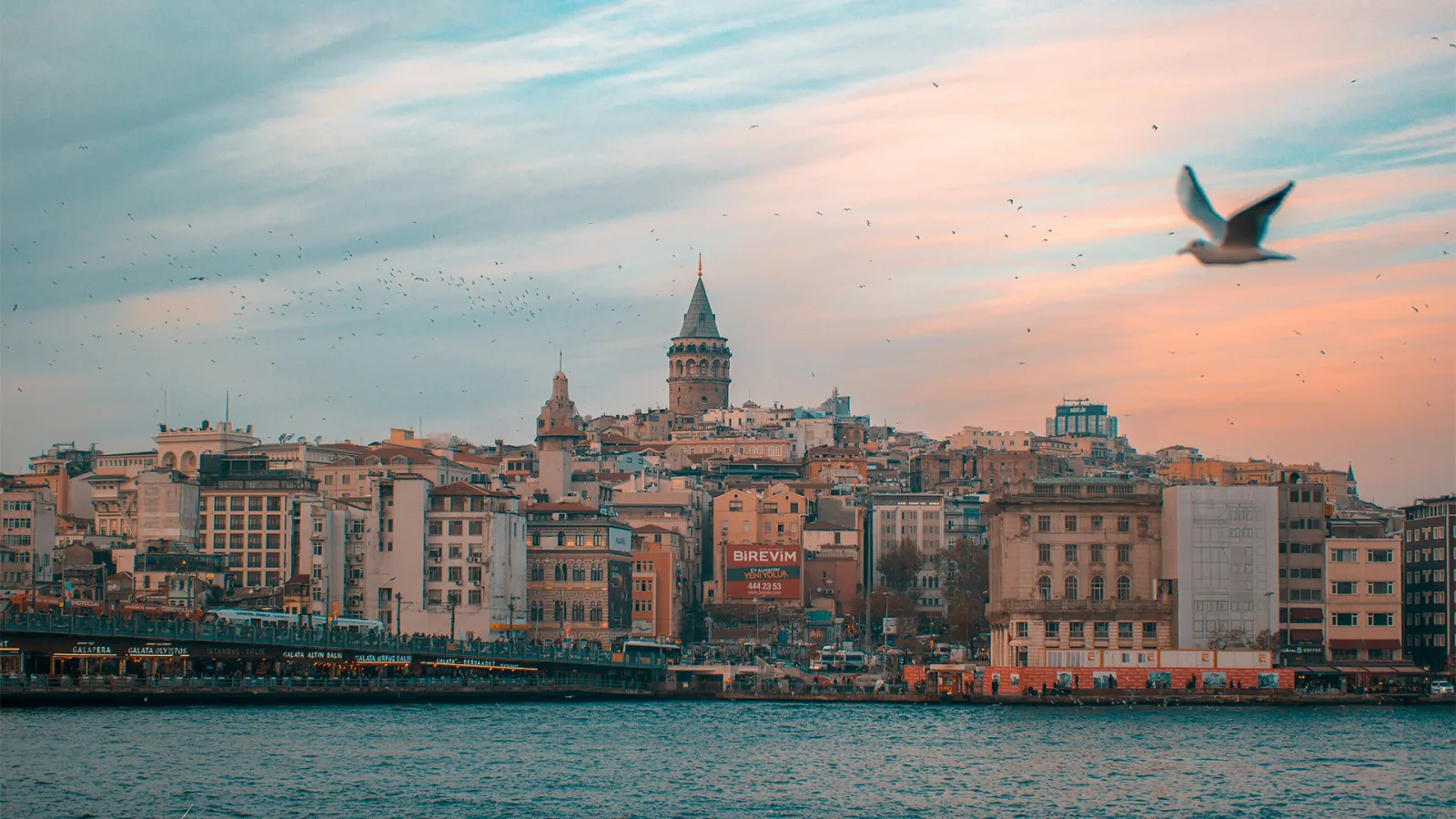
After a private transfer from Istanbul Airport to the hotel, the remainder of the day is free. Depending on how much energy you have after the overnight flight, this is a good opportunity to settle in, and take a gentle stroll in your new surroundings. Istanbul can be wonderfully atmospheric even without a formal sightseeing plan. Watch the ferries crossing the water, listen for the call to prayer, and take time to enjoy a cup of Turkish tea at a sidewalk café.
Where to stay in Istanbul?
We recommend the Levni Hotel & Spa in the historical area of the old city
Where can you enjoy a traditional Turkish dinner in Istanbul?
Sirkeci and Sultanahmet offer convenient options for a traditional Turkish dinner. Look for restaurants serving meze, grilled kebabs and seasonal vegetables, followed by a cup of Turkish tea. Staying close to the hotel makes it easier to enjoy a relaxed meal and an early night before the next day's sightseeing. Some of our favourite suggestions are: Tarihi Sultanahmet Koftecisi for Turkish meatballs & white bean salad. Hamdi Restaurant for kebabs and a wonderful view over the Galata Bridge and its surroundings. Balikci Sabahattin for seafood specialities.
How should you spend your first day in Istanbul after an overnight flight?
Keep your first day flexible, especially if arriving on an overnight flight. Hydrate, adjust to the local time and avoid activities that require sustained energy or concentration. A gentle walk around Sirkeci or Sultanahmet and a relaxed dinner are good ways to begin your trip before a full day of sightseeing.
Day 2 — Sultanahmet walking tour, Evening Whirling Dervishes performance
Today is devoted to Istanbul’s historic heart, the Sultanahmet district, where Byzantine and Ottoman history come together within a relatively compact area. Your full-day walking tour includes the Blue Mosque, Hagia Sophia, the Hippodrome and Obelisk, the Grand Bazaar and Topkapı Palace. Lunch is also included during the tour.
- The Blue Mosque: Officially known as the Sultan Ahmed Mosque, the Blue Mosque is one of Istanbul’s most recognisable landmarks. Its cascading domes, elegant minarets and richly decorated interior have made it an enduring symbol of the city. As it remains an active place of worship, visitors should dress modestly and be prepared for occasional access restrictions during prayer times.
- Hagia Sophia: Completed in the sixth century under Byzantine Emperor Justinian, it was once the great cathedral of Constantinople, later became an Ottoman imperial mosque, and has served different religious and cultural roles throughout its history. Its enormous dome, soaring interior and combination of Byzantine and Ottoman elements make it one of the most fascinating stops of the day.
- The Hippodrome and Obelisk: Once the centre of public life in Constantinople, the Hippodrome hosted chariot races, ceremonies and political gatherings. Today, the square preserves reminders of that ancient spectacle, including the Egyptian Obelisk, transported to Constantinople in antiquity. It is an easy place to imagine the crowds that once gathered here to cheer their favourite racing teams.
- Topkapı Palace: For centuries, Topkapı Palace was the administrative heart and principal residence of the Ottoman sultans. Its courtyards, ornate rooms, imperial collections and views over the Bosphorus offer a glimpse into the power and sophistication of the Ottoman court. Allow time to appreciate the setting as well as the architecture: the palace occupies a commanding position overlooking the water and the meeting point of several historic waterways.
- The Grand Bazaar: One of the world's great traditional marketplaces. Its maze of shops is filled with carpets, ceramics, jewellery, textiles, lamps and souvenirs. Bargaining is part of the experience in many independent shops, but there is no need to rush into a purchase. Enjoy the colours, the craftsmanship and the atmosphere, even if you are simply browsing.
How can I see the Mevlana in Istanbul?
After returning to the hotel for a rest, make your way to Hodjapasha Cultural Centre. The one-hour Mevlevi (Whirling Dervishes) Sema ceremony introduces visitors to the spiritual tradition associated with the teachings of the poet and mystic Rumi. The dervishes' measured turning movements, accompanied by traditional music, represent a symbolic spiritual journey. The performance is more than a dance: it is a ceremonial expression of devotion, discipline and the relationship between humanity and the divine. The cultural centre also features displays about dervish traditions, clothing, instruments and Sufi music.
What to eat in Istanbul? Ideas for traditional, Ottoman-style dishes
- Pide and Lahmacun: These traditional flatbreads, topped with savory ingredients, are perfect for sharing or a hearty meal.
- Mezes: A selection of small, flavorful appetizers that can include dips, stuffed vegetables, and savory pastries.
- Desserts: Indulge in rich baklava, creamy sütlaç (rice pudding), or the delicate güllaç, especially popular during festive seasons.
- Pilaf Variations: Rice dishes prepared with various meats, vegetables, and spices offer a comforting and flavorful side.
What should you wear and bring for a full day of sightseeing in Istanbul?
Wear comfortable walking shoes and bring a light scarf for mosque visits. The Blue Mosque, Hagia Sophia, Topkapı Palace and Grand Bazaar can involve substantial walking, so allow time for breaks. Confirm the sightseeing order with your private guide, as queues, prayer times and access restrictions may affect the schedule.
Day 3 — The Bosphorus and two continents
Today combines a cruise along the Bosphorus with visits to several landmarks on the European and Asian sides of Istanbul. The Bosphorus is the strait separating Europe from Asia, and seeing the city from the water offers a completely different perspective from yesterday's walking tour. The cruise, provides views of Istanbul's waterfront architecture, bridges and busy maritime traffic. Look out for elegant Ottoman-era waterside residences, known as yalı, as well as palaces and fortifications that once helped control this strategic waterway. Back on land, visit the famous Spice Bazaar, the historic City Walls, Beylerbeyi Palace and Çamlıca Hill.
- Spice Bazaar: Back on land, explore the Spice Bazaar, also known as the Egyptian Bazaar. Its stalls overflow with spices, Turkish delight, dried fruit, nuts, teas and other local delicacies. It is an excellent place to discover edible souvenirs and sample some of Turkey's rich culinary traditions.
- The historic City Walls: Istanbul's historic land walls once protected Constantinople from invasion. Their surviving stretches and monumental gates offer a reminder of the city's strategic importance and the scale of its former defences.
- Beylerbeyi Palace: On the Asian shore, this palace served as an Ottoman summer residence and a setting for receiving important guests. Its elegant interiors and waterfront location provide a contrast to the monumental scale of Topkapı Palace.
- Çamlıca Hill: Panoramic views from Çamlıca Hill, one of Istanbul's celebrated viewpoints. On a clear day, the spread of the city, the waterways and the bridges makes a memorable finale to your Istanbul sightseeing.
- Evening activity: Traditional Turkish Hammam (Turkis Bath): Experience a distinctive part of Turkish culture: the traditional hammam. Cağaloğlu Hamamı is a historic Ottoman bathhouse dating to the eighteenth century. A hammam is a traditional bathing ritual centred on warmth, cleansing and relaxation, and it provides a lovely counterpoint to the walking and sightseeing of the previous days. The Turkish bath package includes: a 15-minute rest in the hot room, similar to a sauna., a 10-minute exfoliation using a traditional kese bath glove and a 20-minute foam massage. There is also time to relax in the hammam before making your way back to the hotel.
What should you bring to a traditional Turkish hammam in Istanbul?
Bring only essential belongings and check the hammam's guidance on towels, valuables and treatment etiquette before your visit. After the bathing ritual, drink water and allow yourself time to cool down before dinner or returning to the hotel. Cağaloğlu Hamamı offers a traditional Ottoman hammam experience, including a hot-room rest, kese exfoliation and foam massage in the package described in this itinerary.
Day 4 — Fly to Cappadocia
A private transfer back to Istanbul Airport for the direct domestic flight to Cappadocia. On arrival, meet for a private transfer on to the hotel. Your first afternoon and evening are free, so there is no need to rush. Settle into the hotel, enjoy the unusual architecture and take in your first views of the surrounding terrain. Cappadocia is famous for its extraordinary volcanic landscape, where centuries of erosion have carved soft rock into towering pinnacles, valleys and cave-like formations. Human communities have adapted to this landscape for generations, carving homes, churches and even underground settlements into the rock.
Where to stay in Cappadocia?
We recommend the Anatolian Houses Hotel, located in the Goreme area.
Where should I have dinner on my first night in Cappadocia?
Alâ Cappadocia, located within Anatolian Houses Hotel, is a convenient option for dinner on your first evening in Cappadocia. Its terrace and rock-carved interior offer an introduction to the region's distinctive atmosphere. Reserve ahead if you would like a terrace table.
Day 5 — Fairy chimneys, pottery and cave churches
Today explores northern Cappadocia, introducing some of the region's most distinctive geological formations and its extraordinary rock-cut heritage.
- Devrent Valley: Often called Imagination Valley because its eroded rock formations resemble animals and other familiar shapes. Unlike some of Cappadocia's valleys, it is best known for its unusual natural sculptures rather than a concentration of historic cave dwellings. Look closely at the formations and see what shapes you can recognise in the rock.
- Paşabağı (Monks Valley): One of the best places to see Cappadocia's famous fairy chimneys, including tall pinnacles capped by harder rock. These formations developed through volcanic activity followed by millions of years of erosion. Some of the formations contain chambers and spaces once used by religious hermits, illustrating how people utilized the landscape itself.
- Avanos and the Kızılırmak River: Pause for lunch in Avanos, a town with a long tradition of pottery-making. The nearby Kızılırmak, or Red River, has supplied clay used by local artisans for generations. If time permits, look for a pottery workshop demonstration. Watching a potter shape clay on a traditional wheel offers a fascinating connection between the region's geology and its crafts.
- Göreme Open-Air Museum: Among Cappadocia's most important cultural sites. Here, early Christian communities carved churches, chapels and monastic spaces into the soft volcanic rock. Many of these interiors preserve frescoes depicting biblical scenes and religious figures. The combination of architecture, painting and landscape provides a remarkable insight into the area's medieval religious life.
- Uçhisar Natural Rock Castle: A towering natural rock outcrop honeycombed with chambers and passages. Once used as a defensive stronghold, it offers a striking view of how people incorporated the natural terrain into their settlements. Your tour concludes with a return to the hotel, leaving the evening free.
Where are the best places to eat in Göreme, Cappadocia?
Göreme offers several options for an independent dinner after exploring Cappadocia's fairy chimneys and cave churches.
Seten Restaurant: Regional Turkish and Anatolian cuisine in a characterful setting.
Pumpkin Göreme Restaurant: Turkish dishes in a distinctive atmosphere.
Kaira Rooftop Bar & Restaurant: A rooftop dining option with views over Göreme.
Check current opening hours and make a reservation where necessary, particularly during busy travel periods.
What should you wear for sightseeing in Cappadocia's valleys and rock formations?
Wear supportive walking shoes and carry drinking water. Cappadocia's terrain can be uneven and dusty, even on relatively easy sightseeing days. If you plan to buy pottery in Avanos, ask the shop about protective packaging and shipping options for fragile pieces.
Day 6 — Red Valley, underground cities and Pigeon Valley
Today's itinerary combines an active walk with a visit to one of Cappadocia's most fascinating underground settlements. Red Valley hike — approximately 4 km. The day begins with a medium-grade hike lasting approximately 1.5–2 hours through Red Valley. The valley is known for its pink, red and ochre rock formations, which change colour with the light. Along the route, look for fairy chimneys, carved churches and traces of historic settlement. The walk offers a more intimate experience of the landscape than travelling between viewpoints by vehicle. After the hike, enjoy lunch at a local restaurant. Then on to Kaymaklı Underground City & views at Pigeon Valley.
- Kaymaklı Underground City: One of Cappadocia's remarkable underground cities, developed by communities seeking shelter and security. Its network of interconnected rooms and passages includes areas associated with storage, living, food preparation and other daily activities. The scale of the complex is extraordinary, although visitors generally explore only part of the accessible network. Passages can be narrow and ceilings low, making this an especially memorable experience for anyone interested in history and archaeology.
- Pigeon Valley: The final stop is Pigeon Valley, named for the numerous dovecotes carved into its rock faces. Pigeons were historically valued for their droppings, which were used as fertiliser, and the birds also played a role in local agricultural life. The valley's views provide a lovely contrast to the enclosed spaces of the underground city.
What should you eat in Cappadocia after a day of hiking?
After hiking through Red Valley and exploring Kaymaklı Underground City, a relaxed dinner in Göreme is a good way to end the day. Consider trying pottery kebab, a regional speciality prepared in a sealed clay pot that is opened before serving. You can revisit one of Göreme's restaurants or ask your private guide for a current local recommendation.
How physically demanding is the Red Valley hike and Kaymaklı Underground City visit?
This is one of the more physically demanding days of the Cappadocia itinerary. The Red Valley hike covers approximately 4 km and takes around 1.5–2 hours, followed by a visit to Kaymaklı Underground City. Wear sturdy shoes and bring bottled water. Some underground passages are narrow and have low ceilings, so tell your guide beforehand if confined spaces make you uncomfortable and discuss possible alternatives.
Day 7 — Fly to Antalya
After leaving Cappadocia, arrive in Antalya, a Mediterranean city known for its turquoise coastline, historic old town and access to some of Turkey's most impressive ancient sites. The late afternoon and evening are free, making this an excellent opportunity to explore Kaleiçi, Antalya's atmospheric old quarter. Exploring Kaleiçi: It is a maze of narrow lanes, historic houses, small courtyards, boutiques and cafés. Its architecture reflects the city's long history under Roman, Byzantine, Seljuk and Ottoman rule. Depending on your energy and arrival time, look for Hadrian's Gate, a monumental Roman gateway built to honour Emperor Hadrian, or wander towards the old harbour for views of the boats and Mediterranean shoreline. The old town is particularly appealing in the late afternoon, when the light softens and the cafés begin to fill.Overnight: Ramada Plaza by Wyndham Antalya
Where can you eat traditional Turkish meze and seafood in Antalya's Kaleiçi Old Town?
Antalya's historic Kaleiçi district offers several restaurants for a traditional Turkish dinner, particularly if you enjoy seafood, meze and Mediterranean flavours.
Ayar Meyhanesi: A traditional meyhane-style experience with seafood and meze.
Balıkçı Meyhanesi Kaleiçi: An option for fish and seafood in the old-town area.
Yemenli Meyhanesi: Traditional meyhane-style dining with Mediterranean flavours.
These restaurants are in the broader Kaleiçi area. Allow extra time for walking, as some streets are cobbled or sloping, and confirm current opening hours before visiting.
Day 8 — Perge, Aspendos and Side
Today is devoted to three important archaeological sites associated with the ancient region of Pamphylia. Together, they reveal how prosperous cities developed around trade, public life, entertainment and the Mediterranean coast. The touring day also includes time to enjoy lunch beside a river between the archaeological visits.- Perge: One of the major cities of ancient Pamphylia, its extensive remains give a sense of the layout and scale of a Roman-era city. Explore the Agora, where commercial and civic life took place; the Colonnaded Street, which formed a grand urban thoroughfare; the Nymphaeum, an elaborate monumental fountain; and the stadium, built for public events. The site rewards visitors who look beyond the main structures to the details of daily life, from the arrangement of streets to the remains of public buildings.
- Aspendos Ancient Theatre: Celebrated for its exceptionally well-preserved Roman theatre, built in the second century AD. Designed to accommodate approximately 15,000 spectators, it demonstrates the engineering skill and architectural ambition of the Roman world. The auditorium and stage building remain remarkably impressive, helping visitors imagine performances and public gatherings nearly two millennia ago. The theatre continues to host selected performances and festivals.
- Side: Pronounced approximately as “See-deh,” was an important ancient port. Its location supported trade and maritime activity, and its archaeological remains reveal a long and complex history. Explore the ancient streets and surviving monuments, with the seaside setting adding a different atmosphere to the inland sites visited earlier in the day. Return to the hotel in the late afternoon - early evening.
Where should you have dinner in Antalya after visiting Perge, Aspendos and Side?
After a full day exploring the ancient cities of Pamphylia, consider returning to Kaleiçi for a relaxed dinner. The historic district offers traditional Turkish restaurants, seafood and meze. Alternatively, choose a restaurant closer to your hotel if you prefer to rest after a day of archaeological sightseeing.
What should you bring when visiting Perge, Aspendos and Side?
Bring a hat, sunscreen and plenty of drinking water when exploring Perge, Aspendos and Side. These archaeological sites have exposed areas with limited shade, and sightseeing involves walking outdoors for extended periods. Comfortable walking shoes and regular water breaks will help you explore the ancient ruins more comfortably.
Day 9 — Antalya to Pamukkale via Sagalassos and Salda Lake
Today begins a scenic overland journey through the landscapes of southwestern Turkey. Your private guide will accompany you for the next three days, travelling with you from Antalya to Pamukkale and onward to Kuşadası. Today explore Sagalassos & Salda Lake, ending with arrival to the hotel in Pamukkale. The evening is free, with dinner included at the hotel and time to enjoy its thermal pools.- Sagalassos: Set high in the Taurus Mountains, Sagalassos was an important ancient city that flourished during the Hellenistic and Roman periods. Its elevated setting, monumental ruins and mountain scenery make it one of the region's most evocative archaeological sites. As you explore, look for the remains of public buildings and civic spaces that reveal the city's former prosperity. The mountain setting adds a sense of remoteness quite different from the coastal ruins of Antalya.
- Salda Lake: Continue to Salda Lake, known for its striking turquoise waters and pale shoreline. Its mineral-rich landscape and unusually light-coloured sands have earned it comparisons with otherworldly environments. The lake is a natural highlight rather than an archaeological site, offering a welcome change of pace after the morning's history. Please treat the shoreline and surrounding environment with care, following local guidance on where visitors may walk or swim.
How can you prepare for the long drive from Antalya to Pamukkale via Sagalassos and Salda Lake?
Allow for a full day of sightseeing and driving, with stops at Sagalassos and Salda Lake along the way. Carry water, keep essential belongings accessible and wear comfortable clothing for both the journey and outdoor visits. After arriving in Pamukkale, enjoy a relaxed dinner at the hotel and consider using the thermal pools if permitted by the hotel's rules and appropriate for your individual needs.
Where to stay in Pamukkale?
We recommend the Doga Thermal Hotel, and its thermal baths for a relaxed evening after a full day of sightseeing and overland travel.Day 10 — Pamukkale, Hierapolis and Aphrodisias
Today your private tour guide takes you to explore the natural formation of the Pamukkale terraces & the ancient ruins of both Hierapolis & Aphrodisias. The visit adds another dimension to your journey through Turkey's ancient past before continuing to the hotel in Kuşadası.
- Pamukkale's white terraces: Pamukkale means “Cotton Castle” in Turkish, an apt description of its brilliant white travertine terraces. These formations developed as mineral-rich thermal waters flowed over the hillside, depositing calcium carbonate and creating the distinctive stepped landscape. The terraces are one of Turkey's signature natural sights, but they are also delicate. Visitors should follow the designated routes and local rules to help protect the formations. Wear shoes that are easy to remove if required by the access rules, and take care on wet surfaces.
- Hierapolis: Above the terraces lie the ruins of Hierapolis, an ancient city that grew around the area's thermal springs. The combination of natural hot water and Roman urban life made it an important destination in antiquity. The day's sightseeing includes the Necropolis, the theatre and the feature referred to in the itinerary as Devil's Hole, along with other surviving ruins. The Necropolis is particularly notable for its extensive collection of tombs and funerary monuments. Together, Pamukkale and Hierapolis demonstrate how natural resources shaped settlement, religious practice and leisure in the ancient world.
- Aphrodisias: Continue towards the Aegean coast, stopping at Aphrodisias, an ancient city named for Aphrodite, the goddess of love. Aphrodisias became famous for its sanctuary and its sculptural tradition, supported by the quality of the local marble. Its archaeological remains include monumental civic buildings and evidence of a city that was both religiously significant and artistically accomplished.
Where to stay in Kusadasi?
We recommend the Charisma Hotel, with its seaside location and various restaurants and bars with fresh offerings and great sea & sunset views.What should you wear when visiting Pamukkale's white terraces and Hierapolis?
Wear comfortable walking shoes, bring sun protection and carry a refillable water bottle. The travertine terraces and archaeological remains of Hierapolis require considerable walking, and some surfaces can be uneven or slippery. Follow designated routes and local access rules to help protect Pamukkale's delicate white formations. Check footwear requirements before your visit, as shoes may need to be removed on certain sections.
Day 11 —Ephesus, the House of Virgin Mary and Şirince
Today brings one of the great archaeological highlights of the entire trip: Ephesus, followed by a visit to a religious pilgrimage site and a traditional hillside village. After the sightseeing, return to the hotel and farewell to your private guide, whose services conclude today.- Ephesus: Ephesus is among the best-preserved ancient cities of the eastern Mediterranean. Once a major centre of commerce, culture and religion, it flourished under Greek and Roman rule and was connected to the wider Mediterranean world through its port and trade networks. Your visit includes several of the site's most important features. Agora: The commercial and civic centre of the ancient city. Odeon: A smaller covered or partially covered performance and meeting space. Curetes Street: A monumental thoroughfare lined with surviving architectural remains. Library of Celsus: The celebrated façade of a Roman library and one of the city's most photographed monuments.Roman baths: Evidence of the importance of bathing and social life in Roman urban culture. Grand Theatre: A vast theatre that hosted performances and public gatherings. Marble Street: A stone-paved route through the ancient city.The
- The House of the Virgin Mary: A site associated with the tradition that Mary spent her final years in the area. It has become an important place of pilgrimage for many Christian visitors. The atmosphere is more reflective than at Ephesus, and visitors should be respectful of those who come to pray.
- Şirince village: A hillside village known for its traditional architecture, winding lanes and regional food and drink. It is a pleasant contrast to the grandeur of Ephesus. Take time to wander the streets, browse small shops and enjoy the village atmosphere. Depending on the available time, you may find local produce, fruit preserves, olive oil and other regional specialities.
Where can you have dinner in Kuşadası after visiting Ephesus and Şirince?
After exploring Ephesus, the House of the Virgin Mary and Şirince Village, enjoy a relaxed final evening in Kuşadası. Depending on your preferences, consider seafood or steak near the waterfront and marina area. Charides Seafood and Tranche Steak House are two options to explore. Check their current menus, opening hours and availability before visiting.
What should you bring for a full day exploring Ephesus and Şirince?
Wear comfortable walking shoes, bring sun protection and carry water. Ephesus is an extensive archaeological site with long walking routes, exposed areas and many details worth exploring, from the Library of Celsus to the Grand Theatre. Allow time to appreciate the ancient streets and monuments, and be respectful of visitors who come to pray at the House of the Virgin Mary.
Days 12 – Departure from Turkey
Your journey ends after nearly two weeks of exploring Turkey's layered history, dramatic landscapes and welcoming hospitality. This itinerary offers a wonderful cross-section of the country, balancing iconic sights with experiences that bring the culture to life: a Whirling Dervishes performance, a pottery-making town, regional Turkish food and a traditional hammam.
Practical Tips for Travelling in Turkey
What should you know before travelling to Turkey for 12 days?
A 12-day trip through Istanbul, Cappadocia, Antalya, Pamukkale, Aphrodisias and Ephesus combines city sightseeing, archaeological exploration, scenic drives and traditional cultural experiences. Planning for early starts, comfortable walking, changing activities, and local customs will help you make the most of the journey.
What should you pack for a 12-day trip to Turkey?
Pack comfortable walking shoes, lightweight clothing appropriate for the season, sun protection and a refillable water bottle. A light scarf is useful when visiting mosques, where modest dress is expected. Consider the different activities in your itinerary, from walking through ancient ruins to hiking in Cappadocia's valleys.
How physically demanding is this 12-day Turkey itinerary?
Be prepared for early starts and several full sightseeing days. Some days begin around 08:00 or 09:00, while domestic flights and private transfers may require earlier departures. The Red Valley hike, underground city visit and extensive archaeological sites involve walking on uneven terrain. Keep travel documents, medication and daily essentials organised the night before.
What currency should you use in Turkey?
The local currency is the Turkish lira (TRY). Credit cards, Visa and Mastercard, are widely accepted at many hotels, restaurants, stores and larger establishments. Carry some cash for smaller cafés, local shops, markets and tips, where card payments may not always be convenient.
What should visitors know about Turkish customs and religious sites?
Dress modestly when visiting mosques, follow posted visitor guidance and remove your shoes where required. Be mindful of worshippers, particularly during prayer times, and respect local customs when visiting religious and cultural sites.
What Turkish food should you try during this itinerary?
Look for regional specialities throughout your journey. Cappadocia is known for pottery kebab, while Kuşadası and the Aegean coast offer opportunities to enjoy seafood. Turkish breakfast, meze, freshly baked bread, pide, seasonal vegetables and Turkish tea are also worthwhile parts of the culinary experience.
How can you avoid feeling rushed during a 12-day Turkey tour?
Leave some breathing room in your schedule, particularly after long driving days and extensive archaeological visits. A short break for Turkish tea, a waterfront stroll in Istanbul or a sunset view in Cappadocia can be just as memorable as a major landmark. Your private guide can help you manage the day's schedule while leaving room for rest and independent exploration.
Final Thoughts
Turkey rewards travellers who are curious about both its celebrated monuments and its everyday culture. With private guides providing context along the way, there is time to appreciate not just what each place looks like, but why it matters. Add in local food, scenic drives and the experience of a hammam, and the result is a varied introduction to a fascinating country.