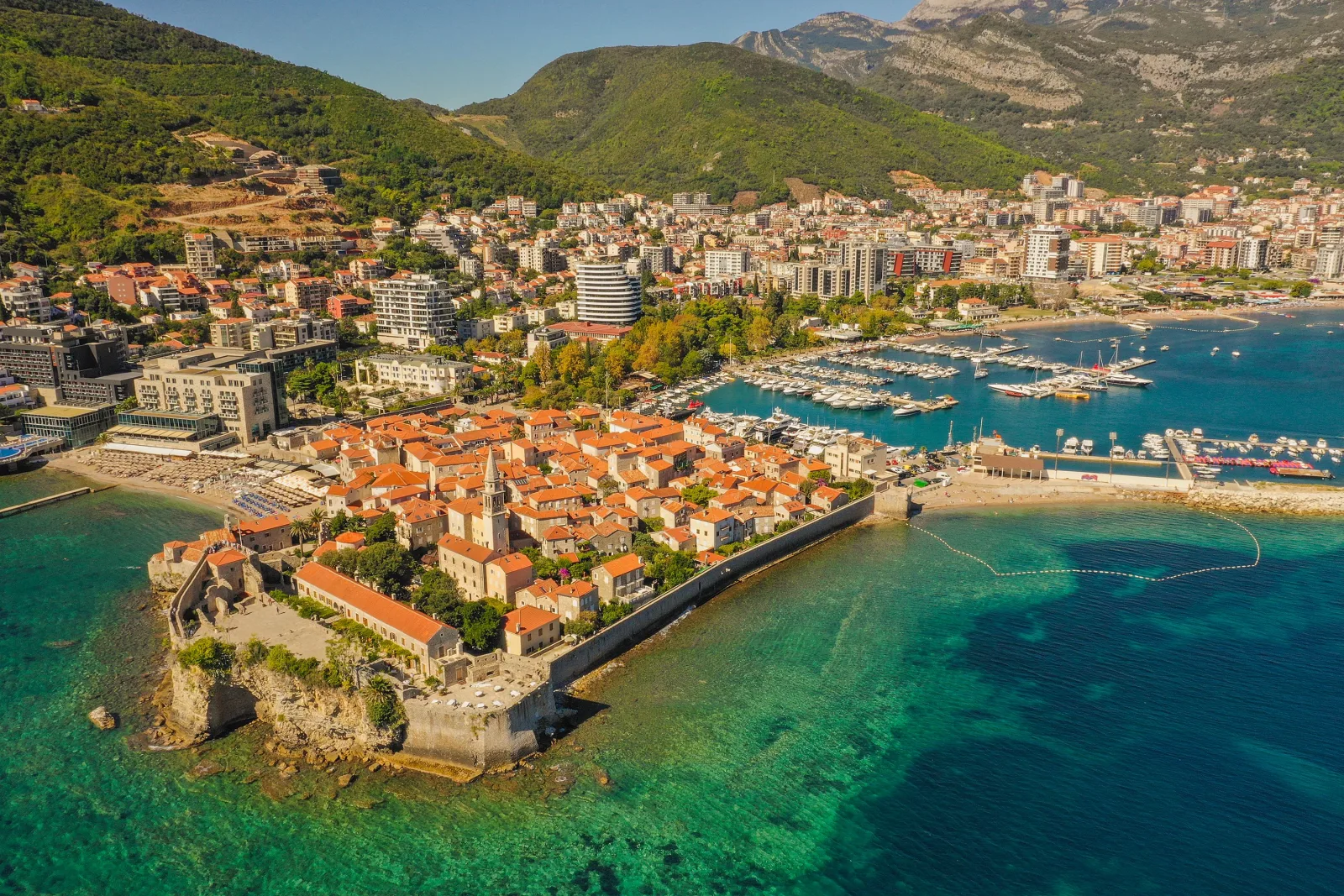
15-Day Italy Itinerary: Venice, Naples, Amalfi Coast & Sicily
Explore Italy in 15 days, from Venice’s canals and Pompeii’s ruins to the Amalfi Coast’s beauty and Sicily’s rich culture and cuisine.
At a Glance
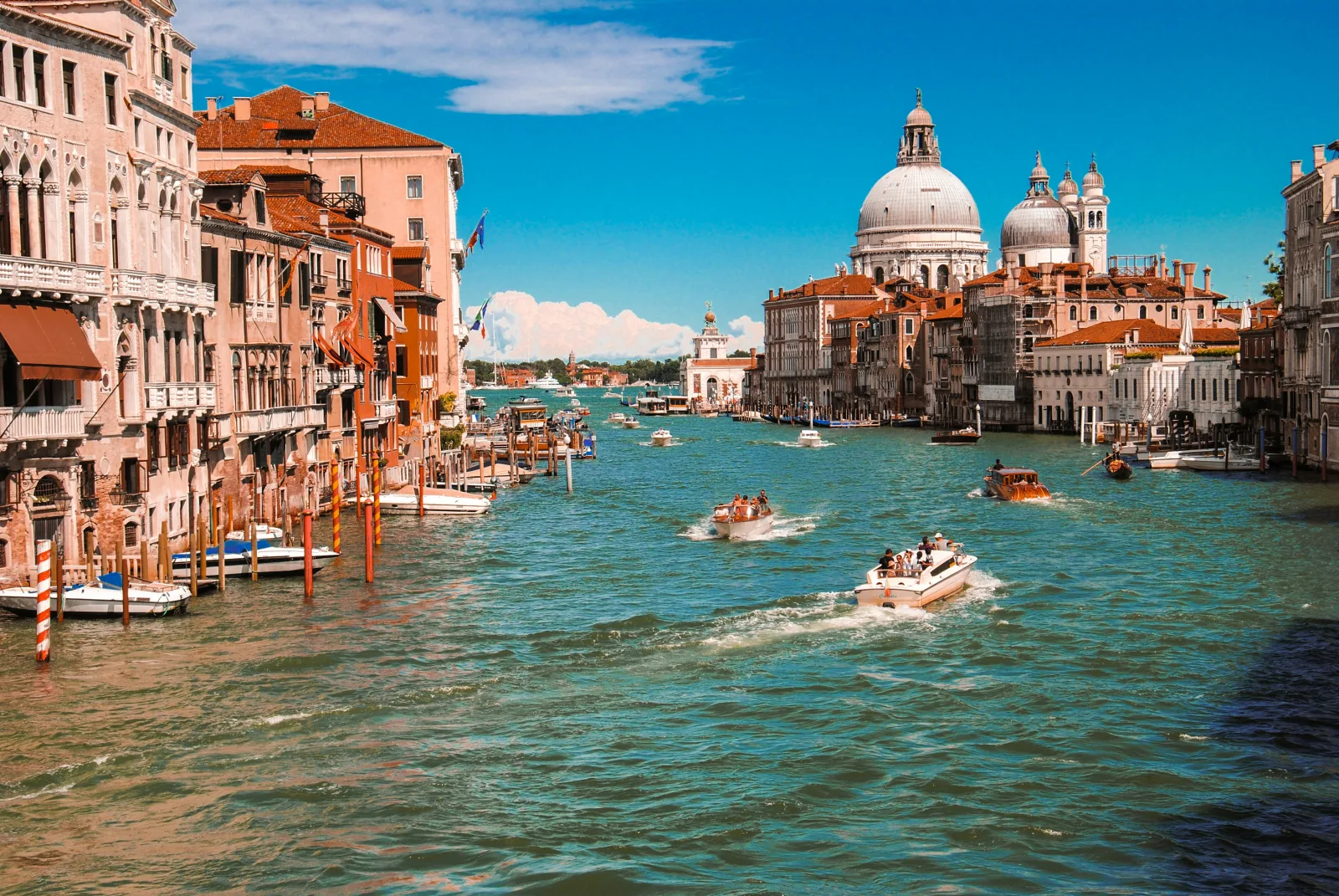
Days 01–03: Venice — Grand canals, Doge’s Palace, St Mark’s Basilica, Murano and Burano.
Day 04–05: Naples — Fly to Naples, explore Naples’ historic city centre and the ancient ruins of Pompeii.
Days 06–07: Amalfi Coast & Capri — Explore Sorrento, Positano and Ravello, followed by a boat tour around Capri and a visit to the Blue Grotto.
Days 08–10: Palermo & Sicily — Fly to Palermo and discover Agrigento, Piazza Armerina, Palermo and Monreale.
Days 11–14: Eastern Sicily — Explore Syracuse, Ortigia, Noto, Mount Etna, Taormina and Catania.
Day 15: Departure from Catania — Transfer to the airport for your flight home.
Day 01 - Arrival Venice
Welcome to Italy and the romance of Venice! Meet at the airport for a private water taxi transfer to the hotel. The remainder of the day is at your leisure to get settled in and possibly take a stroll along the canals or a gondola ride.
Day 02 - Doge’s Palace & St. Mark’s Basilica (private basis)
Discover the essence of Venice through an immersive full-day experience combining history, art and culture at its finest. Doge's Palace, once the political center of the Venetian Republic: walk through its halls, dorned with masterpieces, and uncover the stories of power, intrigue, and justice that shaped the city. St Mark's Basilica, a masterpiece of Byzantine architecture: admire its golden mosaics, intricate details, and unique blend of Eastern and Western artistic influences. Immerse yourself in Venetian art at the Gallerie dell'Accademia, home to an exceptional collection of works by masters such as Titian, Veronese, and Tintoretto. Visit the Peggy Guggenheim Collection, one of Europe’s most important museums of modern art: set in a beautiful palazzo along the Grand Canal, it houses an extraordinary collection of 20th-century masterpieces.
Day 03 - Murano & Burana (private basis)
Today visit two of Venice's lagoon islands: Murano & Burano. First we head to Murano, world-famous for its glassmaking tradition, which dates back to the late 13th century. The unique glassblowing technique can still be observed today in some of the island’s many workshops. Walking along Fondamenta dei Vetrai, reach the Renaissance Church of San Pietro Martire. Inside, you can admire paintings by Paolo Veronese, Domenico and Jacopo Tintoretto, and Giovanni Bellini’s Madonna Enthroned. Continuing along the waterfront, you find Palazzo da Mula, originally built by Venetian patricians as a summer residence and now home to municipal offices. From there, head to the Glass Museum, founded in 1861 by Abbot Vincenzo Zanetti. It houses an extraordinary collection of glass artworks from ancient times to the present day. Continuing along the waterfront, reach the Basilica of Saints Maria and Donato, where you can admire a magnificent apse mosaic with a gold background, as well as numerous floor mosaics. Then, continue by water taxi to the island of Burano. Here you have time to stroll along Via Baldassarre Galuppi, the island’s main street, named after the 18th-century composer born there. Along this street, you will find restaurants and pastry stores offering local specialties such as “esse” biscuits and the round “Buranei,” made with eggs, sugar, and butter. At the end of the street lies Piazza Galuppi, where you can visit the Church of San Martino. The 16th-century church houses several artworks, including The Crucifixion, an early painting by Giambattista Tiepolo. Return by private water taxi to the hotel in Venice.
Day 04 - Flight Venice to Naples & Downtown Naples Tour (private basis)
A private water taxi transfer to Venice Airport for departure on the direct flight to Naples. Arrive and enjoy an afternoon tour of downtown Naples. Begins in the iconic Piazza del Gesù, a bustling square that serves as a gateway to the city's historic center. From this vibrant starting point, your guide will lead you to the tranquil Chiostro di Santa Chiara. Here, amidst ornate majolica tiles and lush gardens, you'll experience a serene contrast to the city's lively streets. After soaking in the peaceful atmosphere of the cloister, the tour continues along the lively Spaccanapoli street. This narrow thoroughfare, which slices through old Naples, is lined with an array of shops, restaurants, and picturesque alleys, each offering a unique insight into Neapolitan life and culture. As you explore Spaccanapoli, marvel at the architectural splendor of San Domenico Maggiore church. The highlight of your walk is the visit to the Chapel of San Severo, home to the stunning Veiled Christ sculpture. The tour also leads you to Piazza Nilo, where you'll see the famous statue of the God of the Nile River, and Piazza San Gaetano, surrounded by significant churches like San Lorenzo and San Paolo Maggiore. Each site contributes to the story of this city, weaving a tapestry of history, architecture, and spirituality. Concluding your exploration, you'll visit the 13th-century baroque Cathedral of Saint Gennaro, the epicenter of Neapolitan faith. The cathedral is not only an architectural marvel but also a spiritual beacon, housing the preserved blood of St. Gennaro, the city's patron saint.
Day 05 - From Naples to Amalfi via Pompeii (private basis)
Depart from Naples on the short drive to Pompeii where a local expert tour guide will meet you and lead you through the archaeological site. Tour the Forum, ancient amphitheater, villas, frescoes and learn all about the eruption of Mount Vesuvius in AD 79. You will also have time for a traditional lunch at a local restaurant paired with local wines, if you wish. After the visit, continue in the private tour vehicle to your hotel on the Amalfi Coast.
Day 06 - Along the Amalfi Coast (private basis)
Today a private driver and tour assistant will take you for a scenic drive along the wonders of the Amalfi Coast. Begin your day in the picturesque town of Sorrento, famous for its breathtaking panoramas and historical charm. Wander through the historic center, where you can browse boutiques filled with local crafts such as leather goods, ceramics, jewelry, and delightful lemon-themed products. Continue your journey to Positano, the "Jewel of the Amalfi Coast". Capture the unique beauty of its vertical skyline, and stroll through its charming alleys and steps lined with shops selling Positano fashion dresses, leather sandals, colorful ceramics, and the famous limoncello. Then to Ravello, a serene hilltop village that offers stunning views over the coastline. Visit the beautiful cliffside gardens of Villa Cimbrone and Villa Rufolo.
Day 07 - Capri Tour (semi-private basis)
Board the ferry from Amalfi, and on arrival at Capri’s Marina Grande pier, join a shared boat tour that takes you for an trip around the island oferring a different perspective from the sea and a stop to visit to the famous Blue Grotto, Once back at Marina Grande, your private driver will be waiting for you and will be at your disposal for a tour of the island including Anacapri (approx 4-hours with the private driver). Drop off back at Marina Grande for the return ferry to Amalfi.
Day 08 - Flight Naples to Palermo
A private transfer will take you from the hotel in Amalfi to Naples Airport for the direct flight to Palermo. Arrive and transfer to the hotel, with the remainder of the afternoon & evening at leisure to get settled in.
Day 09 - Agrigento & Piazza Armerina (private basis)
Private full-day tour from Palermo to Agrigento & Piazza Armerina. Your journey begins with a scenic drive through the Sicilian countryside, where rolling hills, olive groves, and charming villages set the tone for a day immersed in culture and beauty. The first stop is the Valley of the Temples in Agrigento, one of the best-preserved archaeological sites of the ancient Greek world. Walk among majestic Doric temples, including the iconic Temple of Concordia, and discover the legacy of Magna Graecia that shaped the island’s identity. After some free time for lunch, the tour continues to Piazza Armerina, home to the stunning Villa Romana del Casale. This ancient Roman villa is renowned for its exceptional mosaics. As you explore its rooms and corridors, you will admire intricate scenes depicting daily life, mythology, and nature, offering a vivid glimpse into the luxury of Roman aristocracy. Throughout the day, enjoy the comfort of a private vehicle and the flexibility of a personalized itinerary including guided visits at each site.
Day 10 - Palermo & Monreale Tour (private basis)
Private full-day tour of Palermo & Monreale. Discover the cultural and artistic treasures of western Sicily with a private tour of Palermo and Monreale. Your experience begins in Palermo, a vibrant city shaped by centuries of different civilizations. As you explore its historic center, you will encounter a fascinating blend of architectural styles, from Arab and Norman to Baroque. Highlights include the magnificent Palermo Cathedral, a symbol of the city’s layered history, and the extraordinary Palatine Chapel, renowned for its dazzling Byzantine mosaics and intricate decorative details. Then Monreale, a charming hilltop town overlooking Palermo, and visit Monreale Cathedral. Its interior is covered in golden mosaics. You will also have the opportunity to stroll through the peaceful cloister, famous for its elegant columns and refined carvings, offering a moment of quiet reflection. This tour provides an introduction to Sicily’s unique cultural identity.
Day 11 - Palermo to Catania via Cefalù (private transfer)
A private transfer from the hotel in Palermo to the hotel in Catania, with one stop along the route in Cefalù.
Day 12 - Siracusa, Ortigia & Noto (private basis)
Discover the beauty of eastern Sicily on a full-day private tour from the Etna area, combining ancient history, baroque elegance and coastal charm. Begin with a scenic drive through the Sicilian countryside toward Syracuse, one of the most important cities of the ancient Greek world. Visit the impressive Neapolis Archaeological Park, home to the Greek Theatre, the Ear of Dionysius, and other remains that tell the story of Sicily’s classical past. Continue to the island of Ortigia, the historic heart of Syracuse. Stroll through its narrow streets and discover elegant piazzas, sea views, and architectural gems such as the magnificent Cathedral of Syracuse, built over an ancient Greek temple. In the afternoon, head to Noto, the capital of Sicilian Baroque and a UNESCO World Heritage Site. Walking along its golden-hued streets, admire masterpieces such as the stunning Noto Cathedral, along with elegant palaces and churches that showcase the harmony and grandeur of 18th-century architecture. This private tour offers a perfect balance between history, art, and relaxation, allowing you to experience three of Sicily’s most iconic destinations in one unforgettable day.
Day 13 - Etna & Taormina (private basis)
Private tour vehicle & English-speaking assistant for Etna & Taormina excursion. Depart from the hotel to Rifugio Sapienza. At Rifugio Sapienza, there is a pleasant and well-equipped refreshment area where guests can relax and enjoy the stunning volcanic landscape in complete comfort. This offers great flexibility: while one guest may choose to explore the area on foot or light hiking, the other can simply unwind and take in the extraordinary views. For a more elevated experience, it is possible to take the cable car up to higher altitudes, offering panoramic views of Mount Etna. From here, the journey continues to Taormina, where a leisurely walk along the charming pedestrian main street (Corso Umberto) is truly a must. Lined with elegant boutiques, cafés, and panoramic viewpoints, it is the perfect setting to enjoy a relaxed stroll and perhaps stop for a light refreshment. As a highly recommended addition, we suggest including a stop in Savoca, a beautiful and authentic Sicilian village. Famous for the historic Bar Vitelli, this charming town gained international recognition as one of the filming locations of The Godfather by Francis Ford Coppola. Its timeless atmosphere, quiet streets, and cinematic heritage make it a truly special and memorable stop.
Day 14 - Catania Walking Tour (private basis)
Private 02-hour Catania walking tour. Get to know Catania through the eyes of a knowledgeable local guide. See the main tourist sights while also discovering local areas and venues and receive valuable advice about other things to do in the city. This personalized tour focuses on the exterior of monuments, including museums, while your guide shares insights into local life and culture.
Day 15 - Departure from Catania
A final transfer will take you from the hotel to Catania Airport for your international flight departure - farewell and return home with great memories of your time spent in Venice, Naples, the Amalfi Coast, and Sicily!
Planning Your 15-Day Trip to Italy
Planning a trip across Venice, Naples, the Amalfi Coast and Sicily involves more than choosing which sights to visit. Where you stay, when you travel, what you pack and where you eat can all shape your experience. Here are some useful tips to help you prepare for your journey through southern Italy.
Where to Stay in Italy
Where should you stay in Venice?
For a quieter, authentic stay in Venice, we recommend Hotel American Dinesen, close to the Accademia Bridge and the Peggy Guggenheim Collection. It is around a 15-minute walk from St Mark’s Square, with convenient access to water buses.
Alternatively, Hotel Pesaro Palace offers the charm of a restored Venetian palace on the Grand Canal, next to Ca’ d’Oro. Rialto is about a 9-minute walk away, while St Mark’s Square is around 16 minutes away.
Where is the best place to stay in Naples?
We recommend Royal Continental Hotel for its memorable sea views, evening walks and seafront location opposite Castel dell’Ovo. Piazza del Plebiscito and the Royal Palace are within walking distance, while the historic centre is a longer walk or a short taxi ride away. Request a sea-view room, as not all rooms offer the same outlook.
Should you stay in Positano, Amalfi, Minori or Ravello?
Each town on the Amalfi Coast offers a different experience:
Positano: Glamorous, romantic and scenic, but expensive, with many stairs.
Amalfi: A convenient all-round base for ferries, buses and sightseeing.
Ravello: Peaceful and elegant, with beautiful gardens and panoramic views, but located uphill from the coast.
Minori and Maiori: Often better value, with a relaxed atmosphere and easier beach access.
For convenience, Amalfi is a good choice. If you're looking for a romantic setting, consider Positano. Ravello is ideal for a quieter stay.
Where should you stay in Palermo?
We recommend Locanda Santamarina Dimora di Charme for its boutique atmosphere and central location. The property is on Via dei Candelai, close to Quattro Canti, Palermo Cathedral and Teatro Massimo. It also features a rooftop terrace, wellness facilities and an on-site restaurant.
Where should you stay in Catania?
We recommend Palazzo Sangiorgio, a five-star boutique hotel in the historic heart of Catania. Set within a beautifully restored historic building, it combines contemporary elegance with the character of the city. Its central location makes it easy to explore Piazza del Duomo, Catania Cathedral and the surrounding historic streets on foot. The hotel also features a rooftop bar with panoramic city views, a restaurant and a spa, offering a relaxing place to unwind after exploring eastern Sicily.
Food and Dining in Italy
Is Venice still a good destination for food lovers?
Absolutely. Venice has a distinctive food culture, from traditional bacari (small wine bars) serving cicchetti to seafood trattorias and seasonal Venetian dishes.
For a more authentic dining experience, explore streets away from St Mark’s Square and the busiest parts of Rialto. Look for seasonal local dishes, read recent restaurant reviews and favour smaller places with a lively local atmosphere.
Where can you find authentic Neapolitan pizza in Naples?
Neapolitan pizza is known for its soft, elastic centre, puffy crust (cornicione), quality tomatoes and mozzarella, and short baking time in an extremely hot oven.
Some well-known places to try include:
L’Antica Pizzeria da Michele: Famous for its traditional Margherita and Marinara.
Sorbillo: Known for classic Neapolitan pizza and a lively atmosphere.
Starita: A historic favourite offering traditional and fried-pizza options.
Is Palermo or Catania better for Sicilian street food?
Both cities have excellent street food, but Palermo is often the better choice for variety, historic markets and a deeper street-food culture. Catania, meanwhile, is particularly good for iconic local snacks and savoury pastries.
In Palermo, try:
Panelle: Chickpea fritters, often served in a bread roll.
Arancine: Golden stuffed rice balls.
Pane con la milza: A traditional spleen sandwich.
Sfincione: A thick, soft Sicilian pizza.
Ballarò and Capo markets are good places to explore Palermo's street-food scene.
In Catania, look for:
Arancini: Often cone-shaped, with fillings such as ragù or pistachio.
Cipollina: Flaky pastry filled with onion, tomato and cheese.
Crispelle: Fried rice fritters, sometimes filled with anchovies.
Horse-meat specialities: A traditional local option for adventurous eaters.
The Pescheria fish market and the streets around Via Etnea are good areas to explore.
Practical Tips for Travelling in Italy
When is the best time to visit Venice, Naples, the Amalfi Coast and Sicily?
May, June and September are generally excellent months for visiting southern Italy, offering pleasant weather and beautiful scenery without the peak summer crowds.
Venice: April–May and September–October are good for sightseeing and comfortable walking.
Naples: April–June and September–October are ideal for food, history and day trips.
Amalfi Coast: May–June and September are particularly appealing for swimming, coastal views and boat trips.
Sicily: May–June and September–October are good for beaches, archaeological sites and exploring the island.
July and August are typically hot, crowded and more expensive, especially along the Amalfi Coast.
What is the best way to get around Venice with luggage?
A private water taxi is the easiest option for a direct transfer, particularly when travelling with heavy luggage. The Alilaguna airport boat and public vaporetto services can be more economical, depending on your route.
Keep in mind that Venice has many bridges, steps and narrow streets. Choose manageable luggage and check how far your hotel is from the nearest water taxi landing or vaporetto stop.
What local customs should you know before visiting southern Italy?
A little awareness of local customs can make your trip more enjoyable.
Greetings: Say buongiorno or buonasera when entering shops and restaurants.
Meal times: Lunch is commonly around 12:30–14:30, while dinner often begins around 19:30.
Dress: Cover your shoulders and knees when required at churches and religious sites.
Dining pace: Meals are often enjoyed without rushing, and restaurant service can be leisurely.
Respect local life: Keep noise down in residential streets, follow beach rules and be considerate when photographing people.
Learn a little Italian: A few simple phrases and a friendly attitude go a long way.
What shoes should you pack for Venice and the Amalfi Coast?
Choose lightweight walking trainers with cushioned soles and good grip. Venice has bridges and uneven paving, while the Amalfi Coast towns have steep slopes, stone steps and sometimes slippery surfaces.
Comfortable sandals are useful for beaches and warm days. Avoid high heels, flimsy flip-flops and brand-new shoes that you have not broken in.
Is tipping expected in Italy?
Tipping is appreciated in Italy but is not compulsory.
Restaurants: You can round up the bill or leave around 5–10% for excellent service if no service charge is included.
Cafés: Leaving a little change is sufficient.
Hotels: A few euros for porters or housekeeping is a thoughtful gesture.
Taxis: Rounding up the fare is common.
Check your bill for coperto (a cover charge) or servizio (a service charge). Neither is automatically the same as a tip.
Do you need cash when travelling in Italy?
Credit and debit cards, particularly Visa and Mastercard, are widely accepted in Italy. However, carrying some cash is useful for local markets, small cafés, tips and unexpected expenses.
Consider keeping around €50–€100 in smaller notes and coins. When withdrawing cash, use bank ATMs and pay attention to any currency conversion offers.
What should you pack for a 15-day trip to Italy?
Pack light, especially when travelling between several destinations and changing hotels. A manageable suitcase will make transfers and moving around historic towns much easier.
Useful items include:
Lightweight, breathable clothing and layers for cooler evenings.
Comfortable walking shoes and sandals with good grip.
A light rain jacket, sunglasses, a hat and sunscreen.
Swimwear, a beach bag and a quick-drying towel.
A universal travel adapter compatible with Italian sockets.
A crossbody bag, reusable water bottle and portable charger.
Prescription medication and travel insurance documents.
Consider the activities on your itinerary, from walking through Venice's historic streets to exploring archaeological sites and enjoying the beaches of Sicily.
Final Thoughts
From the canals of Venice and the historic streets of Naples, to the beauty of the Amalfi Coast and the cultural treasures of Sicily, this 15-day journey brings together some of Italy's most memorable experiences. Whether you're exploring ancient ruins, enjoying local cuisine, or taking in Mediterranean views, each destination offers something different.
Every journey can be shaped around your interests, pace and travel preferences. With thoughtfully planned private tours, and carefully selected accommodation, you can discover Italy in a way that feels personal and unhurried.